Why Emotional Balance Is the Missing Link in Your TCM Wellness Journey
You’ve tried herbal teas, acupuncture, and daily tongue checks—yet something’s still off. What if the key isn’t just in your body, but in your emotions? Traditional Chinese Medicine teaches that anger, worry, and sadness directly impact organ health, yet many overlook this vital connection. I learned this the hard way, chasing physical fixes while ignoring emotional imbalances. This article explores common pitfalls in TCM adjustment, revealing how unmanaged emotions silently disrupt your well-being—and what to do about it.
The Hidden Gap in Modern TCM Practice
Many people turn to Traditional Chinese Medicine (TCM) seeking relief from fatigue, digestive discomfort, or restless nights. They sip goji berry tea, schedule regular acupuncture sessions, and follow seasonal eating patterns—all valuable practices. Yet, despite their efforts, long-term balance often remains out of reach. The reason lies in a fundamental misunderstanding: TCM is not a collection of isolated remedies but a holistic system rooted in the unity of body, mind, and environment. When used solely as a toolkit for symptom management, its deeper wisdom is lost.
At the heart of TCM is the concept that emotional states are not separate from physical health but are integral to it. Each major organ system is associated with a specific emotion: the liver with anger, the heart with joy (and its imbalance, mania), the spleen with worry, the lungs with grief, and the kidneys with fear. These are not symbolic associations—they reflect a functional relationship where prolonged emotional stress can impair the corresponding organ’s ability to regulate Qi, blood, and fluid. For example, chronic frustration or suppressed anger may lead to Liver Qi stagnation, manifesting as irritability, menstrual irregularities, or tightness in the ribcage.
Modern wellness culture often encourages a fragmented approach—take a supplement for sleep, get a needle treatment for digestion—without asking why these imbalances arise in the first place. This symptom-first mindset may offer temporary relief, but it rarely leads to lasting transformation. A woman who drinks chrysanthemum tea daily to “cool liver fire” but continues working 70-hour weeks under constant pressure is treating the smoke, not the fire. The emotional root remains unaddressed, and the pattern repeats.
The growing popularity of TCM in Western settings has led to a kind of selective adoption—embracing the tangible (herbs, needles, diets) while overlooking the introspective and philosophical dimensions. Yet classical TCM texts, such as the Huangdi Neijing (The Yellow Emperor’s Inner Canon), emphasize emotional regulation as a cornerstone of health. The text states, “The five emotions, when excessive, injure the five organs.” This is not a metaphorical warning but a clinical observation passed down through centuries of practice.
Recognizing this gap is the first step toward a more authentic TCM journey. It means shifting from asking, “What can I take for my bloating?” to “What in my life is causing my spleen to weaken?” This shift in inquiry opens the door to deeper healing, where wellness becomes less about fixing and more about understanding.
Emotions as Energy Blockages: The TCM Perspective
In Western medicine, emotions are often viewed as psychological experiences—products of the brain that may influence behavior or mood. In TCM, emotions are understood as forms of energy that directly interact with the body’s Qi. When experienced in moderation and expressed appropriately, emotions are natural and healthy. But when they become chronic, suppressed, or overwhelming, they disrupt the smooth flow of Qi, leading to stagnation, deficiency, or excess in specific organ systems.
Take the liver, for example. In TCM, the liver is responsible for the free coursing of Qi throughout the body. It ensures that energy moves smoothly, supporting digestion, emotional regulation, and menstrual cycles. Anger, frustration, or repressed resentment can cause the liver’s Qi to rise excessively or become stagnant. This may show up as headaches, a bitter taste in the mouth, or a tendency to snap at loved ones over small matters. The physical and emotional are not parallel tracks—they are part of the same circuit.
Likewise, prolonged grief or sadness affects the lungs. The lungs govern Qi and respiration and are closely tied to the body’s defensive energy (Wei Qi). Chronic sorrow can weaken Lung Qi, leading to shallow breathing, low immunity, and persistent fatigue. A person who has endured a significant loss may find themselves catching colds frequently, not because of poor hygiene, but because their emotional state has compromised their physiological resilience.
Worry and overthinking, common in today’s fast-paced world, burden the spleen. In TCM, the spleen is responsible for transforming food and fluids into usable energy and blood. When the mind is constantly churning—ruminating on past events or anxious about the future—it impairs the spleen’s ability to function. This can result in bloating, poor appetite, loose stools, or a constant feeling of heaviness, as if carrying an invisible weight.
Fear and chronic anxiety, on the other hand, deplete the kidneys. The kidneys store Jing, or essence, which governs growth, reproduction, and longevity. Excessive fear, especially when unacknowledged, can lead to lower back pain, frequent urination, or a sense of being “worn out” even after rest. This connection is increasingly supported by modern science: studies in psychoneuroimmunology show that long-term stress alters hormone levels, weakens immunity, and accelerates cellular aging—all of which align with TCM’s view of kidney depletion.
The brilliance of TCM lies in its ability to map these mind-body interactions in a practical, observable way. It does not pathologize emotion but teaches us to recognize when emotional energy becomes stuck. The goal is not to eliminate feelings but to allow them to move—like a river that flows freely rather than pooling into stagnant ponds. When Qi flows, health follows.
Common Pitfalls in Emotional TCM Adjustment
One of the most common mistakes in applying TCM principles is treating emotional patterns as mere symptoms to be suppressed rather than signals to be understood. A woman experiencing irritability before her period may reach for bupleurum-based formulas to “soothe liver Qi,” but if she doesn’t address the underlying stressors—such as an unbalanced workload or lack of personal time—the remedy will only provide temporary relief. The formula may ease the symptom, but the root cause remains untouched.
Another frequent error is over-reliance on external interventions without internal reflection. Acupuncture, while powerful, is not a reset button for emotional health. A single session may lift a person’s mood or relieve tension, but lasting change requires consistent self-awareness and lifestyle alignment. Using acupuncture as a monthly “tune-up” while maintaining a chaotic schedule is like mopping the floor while the faucet runs. The effort is noble, but the system is out of balance.
Some individuals fall into the trap of pathologizing normal emotional experiences. Feeling sad after a loss, frustrated in a difficult situation, or anxious before a big event is part of being human. TCM does not suggest that every emotional fluctuation is a disorder. Instead, it distinguishes between transient emotions and chronic imbalances. The problem arises not from feeling anger, but from living in a state of unresolved anger. The distinction is crucial: one is natural, the other is harmful.
Another pitfall is the misuse of calming herbs as emotional bandaids. Valerian, passionflower, or jujube seed may help with sleep or anxiety, but using them daily without addressing the source of stress can dull awareness rather than resolve it. Over time, this may lead to emotional numbness, where a person feels “calm” but disconnected from their true feelings. In TCM, numbness is often seen as a form of stagnation—a sign that Qi is not moving, not that balance has been achieved.
There is also a tendency to overlook the role of daily habits in emotional health. A woman may follow a perfect TCM diet—warm foods, no iced drinks, seasonal ingredients—but spend her evenings scrolling through stressful news or engaging in conflict-heavy conversations. The physical regimen is sound, but the emotional environment is toxic. TCM teaches that our surroundings, including our mental and emotional inputs, shape our internal landscape.
Finally, some people expect quick fixes for deep imbalances. Emotional patterns often develop over years—through childhood experiences, work pressures, or relationship dynamics. Healing cannot be rushed. Just as a garden cannot bloom overnight, emotional balance requires patience, consistent care, and the willingness to observe without judgment. Rushing the process leads to frustration, which only feeds the cycle of imbalance.
Why Ignoring Emotions Sabotages Physical Healing
When emotional stress is left unattended, it doesn’t disappear—it migrates. It settles into the body as tension, fatigue, or recurring illness. Consider a woman who constantly worries about her family’s well-being. She eats well, exercises, and visits her acupuncturist regularly, yet she struggles with indigestion and low energy. From a TCM perspective, her chronic worry is impairing her spleen’s ability to transform food into energy. No amount of ginger tea or moxibustion will fully resolve this if the mental habit of overthinking persists.
The body and mind operate in a continuous feedback loop. Emotional stress activates the sympathetic nervous system, triggering the release of cortisol and adrenaline. Over time, this physiological response depletes resources, weakens digestion, and disrupts sleep—all of which mirror TCM’s descriptions of spleen and heart imbalances. The spleen, responsible for producing Qi and blood, becomes taxed. The heart, which houses the Shen (spirit), becomes agitated, leading to restlessness and poor sleep.
Similarly, a person who suppresses anger may develop recurrent headaches or menstrual pain. In TCM, this is seen as Liver Qi stagnation. The liver’s function of ensuring smooth flow is blocked by unexpressed emotion. Modern research supports this: studies show that suppressed anger is linked to increased muscle tension, elevated blood pressure, and hormonal imbalances—conditions that align with TCM’s understanding of liver dysfunction.
Even common issues like frequent colds can have an emotional dimension. A woman recovering from a breakup may notice she’s catching every virus that goes around. While she may attribute this to poor immunity, TCM would point to weakened Lung Qi due to unresolved grief. The lungs, associated with the metal element and the emotion of sadness, are energetically compromised. Without addressing the emotional layer, immune support herbs may offer only partial improvement.
Ignoring emotions also undermines the effectiveness of physical treatments. Acupuncture works best when the body is receptive, but chronic stress creates a state of hyperarousal that limits its impact. Herbal formulas are more effective when the person’s lifestyle supports their action. A harmonious internal environment allows remedies to work synergistically rather than against a tide of emotional strain.
The message is clear: physical healing cannot thrive in an emotionally disrupted system. Just as a plant needs both good soil and sunlight, the body needs both physical care and emotional clarity. When one is missing, growth stalls.
Cultivating Awareness: The First Step to Balance
Healing begins with awareness. In TCM, this is known as nei guan, or “inner observation.” It is the practice of turning attention inward to notice subtle shifts in mood, energy, and sensation. This is not about self-criticism but gentle noticing—like a gardener observing which plants need water and which are thriving.
A simple way to begin is through daily emotion journaling. Each evening, take five minutes to reflect: What emotions arose today? Where did you feel them in your body? Were there moments of tension, warmth, or heaviness? Did anger tighten your jaw? Did worry make your stomach feel knotted? Over time, patterns emerge. You may notice that arguments with a family member consistently trigger headaches, or that busy workdays leave you feeling drained in the lower back—signs of liver and kidney strain.
Another effective practice is body scanning. Lie down in a quiet space and slowly bring attention to each part of the body, starting from the toes and moving upward. Notice areas of tension, warmth, or numbness without trying to change them. This builds somatic awareness—the ability to read your body’s signals. In TCM, the body speaks through sensation. A tight shoulder may not just be from poor posture; it could be a sign of unexpressed stress or suppressed emotion.
Tracking your menstrual cycle, if applicable, can also provide insight. TCM views the menstrual cycle as a monthly reflection of overall balance. Mood swings, cramping, or changes in flow can indicate Qi stagnation, blood deficiency, or cold in the uterus—all of which may have emotional contributors. Noticing these patterns allows for earlier intervention, before imbalances become entrenched.
The goal is not to fix everything at once but to develop a relationship with your inner state. This awareness becomes the foundation for meaningful change. When you know that over-scheduling leads to spleen-type fatigue, you can make different choices. When you recognize that silence after an argument signals suppressed anger, you can find healthy ways to express it. Awareness transforms automatic reactions into conscious responses.
Daily Practices That Align Emotion and Qi
Once awareness is established, daily habits become the tools for balance. TCM emphasizes routine, rhythm, and moderation—principles that support both physical and emotional health. These practices are not about perfection but consistency.
Mindful walking, especially in nature, helps soothe Liver Qi. The liver thrives on movement and freedom. A 20-minute walk in the morning sunlight, with attention on the breath and surroundings, can ease stagnation and improve mood. The key is presence: not rushing, not listening to podcasts, but simply being with each step. This simple act aligns with the wood element’s need for growth and expansion.
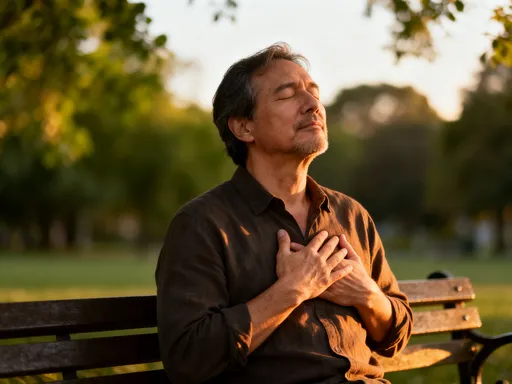
Breathwork supports Lung Qi and calms the Shen. Try diaphragmatic breathing: inhale slowly through the nose, allowing the belly to rise, then exhale fully. Repeat for 5–10 minutes. This activates the parasympathetic nervous system, reducing stress and improving oxygenation—benefits recognized by both modern science and TCM. Grief and sadness often cause shallow breathing; deep breaths help move stagnant Lung Qi.
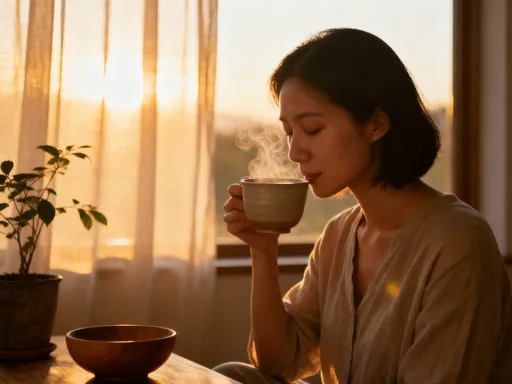
Protecting Spleen energy requires structure and calm. Eat meals at regular times, chew thoroughly, and avoid eating while distracted. Create “worry-free zones”—times when you step away from planning and problem-solving. Evening rituals like herbal tea, gentle stretching, or listening to soothing music signal the body that it’s safe to rest. The spleen, associated with the earth element, thrives on stability and nourishment.
Seasonal living is another cornerstone. In winter, go to bed earlier and rise later to conserve Yin energy. In summer, embrace activity and social connection to support Yang. These rhythms mirror the body’s natural cycles and prevent depletion. Ignoring them—burning the midnight oil in winter, for example—strains the kidneys and leads to fatigue.
Finally, build in downtime. In a culture that glorifies busyness, rest is revolutionary. Ten minutes of sitting quietly, sipping warm water, or watching clouds can reset the nervous system. TCM views rest not as laziness but as essential for Qi regeneration. When the body replenishes, the mind settles.
When to Seek Support: Integrating Wisdom and Care
Self-care is powerful, but it is not a substitute for professional support. There are times when emotional strain becomes overwhelming—when grief feels endless, anxiety disrupts daily function, or anger feels uncontrollable. In these moments, reaching out is not a failure but an act of wisdom.
Consulting a licensed TCM practitioner can provide personalized guidance. They may adjust herbal formulas, recommend specific acupuncture points, or offer lifestyle advice tailored to your pattern. A skilled practitioner does not just treat symptoms but helps you understand your unique constitution and emotional tendencies.
At the same time, integrating care means recognizing when psychological support is needed. Talking to a licensed counselor or therapist can help process deep emotional wounds that herbs and needles alone cannot reach. TCM and modern mental health care are not opposites—they can complement each other when used wisely.
The journey toward emotional balance is not linear. There will be days of clarity and days of struggle. The goal is not perfection but presence—showing up for yourself with kindness and curiosity. Emotional health, like physical health, is not a destination but a practice.
In the end, TCM offers more than remedies—it offers a way of being. It invites us to listen deeply, move gently, and live in harmony with our nature. When we honor our emotions as messengers rather than enemies, we unlock the true potential of healing. The missing link was never outside us. It was within all along.