How I Caught It Early: The Science-Backed Move That Changed Everything
I never thought a routine check could save my life—until it did. Like many, I ignored small symptoms, brushing them off as stress or fatigue. But science shows that catching health issues early dramatically improves outcomes. This is my story of discovery, grounded in real medical insights. It’s not about fear; it’s about awareness, action, and the power of early detection to protect your future. What began as a quiet unease turned into a life-changing moment, not because of a crisis, but because of a choice—the choice to listen, to act, and to trust what medicine has proven time and again: timing saves lives.
The Wake-Up Call: When Normal Felt Off
It started with something small—a lingering fatigue that no amount of coffee could fix. Mornings became harder. Even after a full night’s sleep, there was a heaviness, a kind of mental fog that made concentration difficult. At first, the explanation seemed obvious: life was busy. Juggling family, work, and household responsibilities left little room for rest. But weeks passed, and the tiredness didn’t lift. Then came the occasional discomfort—a dull ache in an area I couldn’t quite place, gone by the time I tried to describe it. I dismissed it. Many do.
What I didn’t realize was that these were not random glitches in my body’s system, but signals. The human body rarely shouts its warnings. More often, it whispers. A slight change in appetite. A shift in bathroom habits. Unexplained weight loss or gain. These are not trivial when they persist. Research from the American Medical Association indicates that over 60% of adults delay medical evaluation for symptoms lasting more than two weeks, often attributing them to aging, stress, or overwork. Yet, many serious conditions begin with such subtle cues. My turning point came not from a dramatic event, but from a conversation with a friend who had gone through a similar experience. She urged me to see a doctor, not because she knew what was wrong, but because she knew what silence could cost.
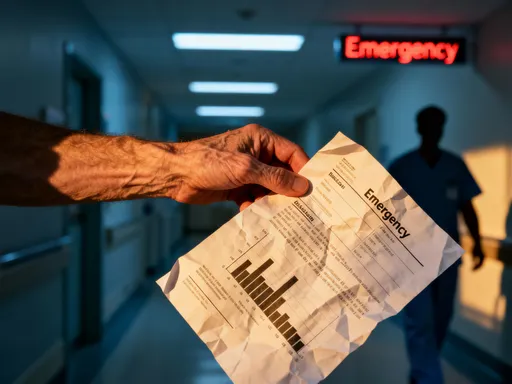
That visit led to a series of tests. What followed was not a moment of panic, but of profound clarity. The symptoms I had normalized were, in fact, early markers of a treatable condition. The diagnosis, while serious, was not a death sentence—because it was caught early. This experience reshaped my understanding of health. It’s not just the absence of illness, but the practice of paying attention. Listening to the body is not paranoia; it’s partnership. Our bodies communicate constantly. The challenge is learning to interpret the language before the message becomes urgent.
Why Early Detection Works: The Science Behind the Screen
The effectiveness of early detection lies in the biology of disease progression. Many chronic and life-threatening conditions, such as certain cancers, type 2 diabetes, and cardiovascular disease, develop silently over time. They grow beneath the surface, often without symptoms, until they reach a stage where treatment becomes more complex and less effective. For example, colorectal cancer may begin as a small polyp that takes years to transform into malignancy. Detecting and removing it at the precancerous stage can prevent cancer entirely. This is not speculation—it is supported by decades of clinical research.
Studies published in The New England Journal of Medicine show that early-stage cancer detection can increase five-year survival rates by up to 90% for certain types, including breast and prostate cancer. Similarly, identifying prediabetes through routine blood screening allows for lifestyle interventions that can delay or even prevent the onset of full diabetes. The Centers for Disease Control and Prevention (CDC) reports that 96 million American adults have prediabetes, yet more than 80% are unaware of it. This gap between risk and awareness underscores the critical role of regular health assessments.
Screening tools are designed to catch these conditions before symptoms arise. They work by measuring biomarkers—indicators in blood, tissue, or imaging that signal abnormal processes. Mammograms detect changes in breast tissue, Pap smears identify cervical cell abnormalities, and blood pressure checks monitor for hypertension, a leading risk factor for stroke and heart attack. These tests are not perfect, but they are powerful. Their value increases when used consistently and according to evidence-based guidelines. The science is clear: early detection shifts the odds in favor of the patient. It transforms what could be a medical emergency into a manageable health event.
Moreover, early intervention often means less invasive treatment. A small tumor may be removed with minor surgery, whereas a later-stage cancer might require chemotherapy, radiation, and extended recovery. The physical, emotional, and financial toll is significantly lower when action is taken early. This is not just about survival; it’s about quality of life. The body heals faster, routines are less disrupted, and the psychological burden is reduced. Early detection is not a guarantee against illness, but it is the most effective strategy we have for controlling its impact.
What Actually Happens During Screening? Demystifying the Process
Despite its benefits, many avoid screening due to uncertainty about what it involves. The unknown can feel intimidating. Will it hurt? Will it be embarrassing? Is it expensive? These concerns are valid, but they often stem from misconceptions. Most routine screenings are straightforward, quick, and minimally invasive. A standard annual physical, for instance, typically includes a review of medical history, vital signs check (blood pressure, heart rate, temperature), and a discussion of lifestyle habits. Blood tests may be ordered to assess cholesterol, blood sugar, liver and kidney function, and vitamin levels.
Imaging tests like mammograms or bone density scans use low-dose radiation and are performed by trained technicians. While a mammogram may cause brief discomfort due to breast compression, it lasts only a few seconds and the procedure is over in about 20 minutes. Colonoscopies, often feared, are done under sedation, meaning patients feel no pain. The preparation requires dietary adjustments, but the procedure itself is safe and highly effective in detecting colorectal issues. Ultrasounds, another common tool, use sound waves and are completely painless, frequently used in monitoring thyroid, liver, or reproductive health.
Many people worry about cost, but preventive screenings are often covered by insurance under the Affordable Care Act and similar health policies. Medicare and Medicaid also provide coverage for recommended tests based on age and risk factors. For those without insurance, community health centers and public programs offer low-cost or free screenings. The goal is accessibility, not exclusivity. Additionally, technological advances have made some tests easier than ever. At-home kits for colorectal cancer screening, for example, allow individuals to collect samples privately and mail them to labs. While these do not replace all forms of screening, they increase participation among those who might otherwise delay care.
Understanding the process reduces fear. Knowing what to expect empowers individuals to make informed decisions. A screening is not a test of illness, but a tool for protection. It is a proactive step, like wearing a seatbelt or installing smoke detectors—simple actions with potentially life-saving consequences. When demystified, the process becomes not just acceptable, but essential.
Who Should Get Screened and When? Mapping Risk to Action
Guidelines for screening are not one-size-fits-all. They are shaped by age, sex, family history, and lifestyle. The U.S. Preventive Services Task Force (USPSTF) provides evidence-based recommendations that help both patients and providers make informed choices. For example, women are generally advised to begin regular mammograms at age 40 or 50, depending on individual risk. Cervical cancer screening with Pap smears starts at age 21 and continues at regular intervals. Men should discuss prostate cancer screening with their doctors starting at age 50, or earlier if they have a family history or are African American, a group at higher risk.
Colorectal cancer screening begins at age 45 for most people, using options like colonoscopy, stool-based tests, or CT colonography. Blood pressure checks should be routine for all adults, starting in adolescence. Cholesterol screening is recommended every four to six years for adults over 20, more frequently for those with risk factors. Type 2 diabetes screening is advised for adults over 35 who are overweight or have other risk factors, such as a sedentary lifestyle or history of gestational diabetes.
Family history plays a crucial role. Having a first-degree relative with breast, ovarian, or colorectal cancer increases personal risk and may warrant earlier or more frequent screening. Genetic counseling and testing may be recommended in such cases. Lifestyle factors also influence timing and frequency. Smoking, poor diet, lack of exercise, and obesity elevate the risk for multiple conditions, making regular monitoring even more important.
The key is personalization. A 45-year-old woman with a family history of heart disease and high blood pressure should not follow the same schedule as a healthy 45-year-old man with no risk factors. This is why consultation with a healthcare provider is essential. They can assess individual risk and create a tailored prevention plan. Self-diagnosis or reliance on internet searches is not a substitute for professional guidance. The goal is not to overtest, but to test wisely—at the right time, in the right way, for the right person.
Beyond the Doctor’s Office: Daily Habits That Support Early Awareness
While clinical screenings are vital, health awareness begins at home. Daily habits shape our baseline, making it easier to notice when something is off. Simple practices like tracking energy levels, digestion, sleep quality, and mood can reveal patterns that warrant attention. For instance, a sudden change in bowel habits lasting more than a few days could signal a gastrointestinal issue. Persistent low energy despite adequate rest may point to anemia, thyroid problems, or sleep apnea.
Keeping a health journal can be a powerful tool. It doesn’t need to be elaborate—a notebook or digital app where you note how you feel each day, any symptoms, meals, sleep, and activity. Over time, this record becomes a personal health map. When a new symptom arises, you can compare it to your norm. Is this fatigue different from last week? Is this pain new or recurring? This self-knowledge complements clinical data and helps doctors make faster, more accurate assessments.
Consistent routines also support wellness. Regular sleep schedules regulate hormones and improve immune function. Hydration affects everything from skin health to kidney function. Balanced nutrition fuels the body and reduces inflammation, a factor in many chronic diseases. Exercise, even moderate walking, improves circulation, mood, and metabolic health. These habits do not prevent all illness, but they create a strong foundation that makes early detection more effective.
Moreover, body awareness grows with attention. Women who perform regular breast self-exams, for example, are more likely to notice lumps early. While the USPSTF does not universally recommend self-exams, many healthcare providers encourage them as part of overall vigilance. The same applies to skin checks. Monitoring moles for changes in size, shape, or color can lead to early detection of melanoma. The American Academy of Dermatology promotes regular self-checks using the ABCDE rule (Asymmetry, Border, Color, Diameter, Evolving). When combined with annual dermatologist visits, this practice saves lives.
Breaking the Delay: Why We Wait (And How to Stop)
Despite knowing the benefits, many delay or avoid screening. A study in the Journal of General Internal Medicine found that nearly half of adults skip recommended tests. The reasons are complex. Fear of bad news is a major factor. Some worry that discovering a problem will bring anxiety or lead to painful treatments. Others believe they are too busy, that symptoms will resolve on their own, or that they are “too healthy” to need testing. These beliefs, while understandable, are dangerous.
Denial is a common psychological barrier. The mind protects itself by minimizing threats. But health is not a matter of hope; it is a matter of evidence. Avoiding a doctor does not make a condition disappear—it often allows it to grow. Procrastination is another obstacle. Life demands are real, but they should not come at the cost of long-term well-being. The average screening appointment takes less than an hour, yet its impact can last a lifetime.
Improving health literacy is key. Many people do not understand what screening is for or how it works. Public health campaigns, community workshops, and provider education can help bridge this gap. Practical strategies can also reduce inertia. Setting calendar reminders for annual exams, asking a family member to schedule appointments together, or using telehealth for initial consultations can make the process easier. Some employers offer wellness programs with on-site screenings, removing transportation and time barriers.
Normalizing preventive care is equally important. When friends and family talk openly about their screenings, it reduces stigma and encourages others to act. A culture that values prevention over crisis response leads to healthier communities. Quick action is not overreaction—it is responsibility. The body sends signals for a reason. Responding with care is not weakness; it is wisdom.
The Bigger Picture: How Early Detection Transforms Public Health
Individual choices have collective consequences. When more people engage in early detection, the entire healthcare system benefits. Early diagnosis reduces the need for emergency care, hospitalizations, and long-term treatments. This lowers medical costs for families and society. The National Cancer Institute estimates that cancer care costs are more than twice as high in late-stage diagnoses compared to early-stage ones. Similar patterns exist for heart disease and diabetes.
Preventive care also reduces strain on hospitals and clinics. When conditions are managed before they become severe, resources can be used more efficiently. This is especially important in underserved communities, where access to care is already limited. Expanding screening programs in these areas can help close health disparities. Mobile clinics, school-based health centers, and outreach initiatives have proven effective in increasing screening rates among low-income and rural populations.
Ongoing research continues to improve early detection methods. Advances in artificial intelligence are enhancing the accuracy of imaging analysis. Liquid biopsies, which detect cancer DNA in blood, offer the potential for non-invasive, early cancer screening. Wearable devices that monitor heart rhythm, blood oxygen, and activity levels are becoming valuable tools for continuous health tracking. These innovations promise a future where disease is not only caught earlier but predicted before symptoms appear.
Yet, technology alone is not enough. A cultural shift is needed—one that prioritizes prevention as a core value. This means investing in education, ensuring equitable access, and supporting policies that make screenings affordable and routine. It means redefining strength not as enduring silence, but as seeking help with courage. When prevention becomes the norm, health outcomes improve for everyone.
Early detection isn’t about living in fear—it’s about living with clarity. By embracing science, listening to our bodies, and acting without delay, we gain something priceless: time. This isn’t just healthcare; it’s self-care at its most powerful. Let awareness be your first defense.