Heart Strong, Mind Calm: How I Learned to Protect Myself for Life
Living with long-term cardiovascular health in mind changed everything for me. It wasn’t just about diet or exercise—it was my mindset that made the real difference. I used to stress over small things, not realizing how deeply it affected my heart. Over time, I discovered that psychological adjustment isn’t just “feeling better”—it’s a core part of heart resilience. This is what helped me stay consistent, calm, and truly healthy. What I’ve learned is that protecting the heart goes far beyond numbers on a medical chart. It involves daily awareness, emotional honesty, and sustainable habits that support both body and mind. This journey didn’t begin with a diagnosis, but with a quiet realization: the way I responded to life was shaping my heart’s future.
The Hidden Link Between Mind and Heart
For years, I believed heart health was measured solely by cholesterol levels, blood pressure readings, and how often I walked or lifted weights. I monitored my salt intake, avoided processed foods, and celebrated every pound lost. Yet despite all this, I often felt a low hum of tension in my chest, a tightness that no amount of cardio could ease. It wasn’t until I attended a community wellness seminar that I heard something transformative: the heart and mind are not separate systems, but deeply interconnected. Chronic emotional stress—especially when ignored or suppressed—can be just as damaging to the cardiovascular system as smoking or high cholesterol.
Research from reputable health institutions, including the American Heart Association, confirms that long-term psychological stress contributes to inflammation, elevated cortisol levels, and increased heart rate—all of which strain the heart over time. When the body remains in a prolonged state of “fight or flight,” it doesn’t get the chance to rest and repair. This constant activation of the sympathetic nervous system can lead to hypertension, irregular heart rhythms, and even an increased risk of heart attack. The idea that emotional patterns could silently harm the heart was a turning point for me. It forced me to look beyond physical metrics and consider how my thoughts, reactions, and emotional habits were influencing my long-term well-being.
Understanding this connection didn’t mean I had to become an emotionless zen master. Instead, it meant learning to recognize emotional triggers and respond with awareness rather than reaction. I began to see emotional regulation not as a sign of weakness, but as an act of heart protection. Just as I would take medication to lower cholesterol if needed, I now viewed mindfulness and emotional self-care as equally important components of a heart-healthy lifestyle. This shift in perspective allowed me to approach health more holistically, treating my mental state with the same seriousness as any physical symptom.
My Breaking Point: When Stress Took Over
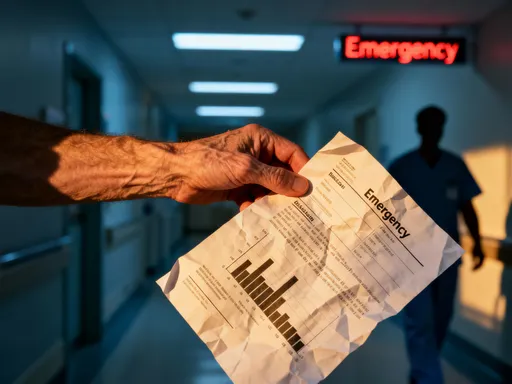
The wake-up call came during a routine check-up. I had gone in for a standard physical, expecting the usual reassurances. My cholesterol was within range, my weight was stable, and I hadn’t missed a workout in months. But my doctor paused while reviewing my blood pressure results. It was consistently high—145 over 95—despite no history of hypertension in my family. When I mentioned the tightness in my chest, the fatigue, and the difficulty sleeping, she didn’t reach for a prescription pad right away. Instead, she asked about my stress levels.
At first, I brushed it off. “Everyone’s stressed,” I said. “I’m just busy.” But as she gently probed—asking about my work hours, sleep quality, and emotional well-being—I began to see the full picture. I was averaging five hours of sleep a night, working through weekends, and pushing aside feelings of overwhelm with caffeine and sheer willpower. I rarely took time for myself, and when I did, guilt followed. I realized I had been treating my body like a machine that could run indefinitely without maintenance. The truth was, my heart wasn’t failing because of plaque or poor diet—it was responding to years of unmanaged emotional strain.
That moment changed everything. I walked out of the clinic not with a diagnosis of heart disease, but with a profound understanding: my lifestyle was putting my heart at risk in ways I hadn’t considered. I didn’t need surgery or emergency care—I needed a recalibration. I began to treat mental fatigue with the same urgency as physical symptoms. I scheduled downtime like appointments. I started paying attention to how I felt emotionally, not just physically. And most importantly, I stopped dismissing my inner experience as irrelevant to my health. This was the beginning of a new kind of self-care—one that honored both the visible and invisible aspects of heart wellness.
Rewiring My Response to Stress
Change didn’t happen overnight. I knew I couldn’t erase stress from my life—nor should I. Some level of stress is natural and even beneficial, motivating us to meet challenges and grow. What needed to shift was not the presence of stress, but my relationship to it. I began with small, manageable practices that didn’t require extra time or resources. Every morning, before checking my phone, I spent five minutes practicing deep breathing. I focused on inhaling slowly through my nose, holding for a count of four, and exhaling fully. This simple act helped signal to my nervous system that I was safe, reducing the background hum of anxiety that used to greet me each day.
In the evenings, I started journaling. Not with the goal of writing a novel or analyzing my childhood, but simply to release what had built up during the day. I wrote down frustrations, worries, and moments of gratitude—whatever came to mind. This practice created emotional space, preventing feelings from accumulating and turning into chronic tension. Over time, I noticed that I was less reactive. When a work email triggered irritation, I didn’t immediately respond. Instead, I paused, breathed, and chose a calmer response. This wasn’t about suppressing emotions, but about creating a buffer between stimulus and reaction.
Another powerful shift was learning to say “no” without guilt. For years, I had said yes to everything—extra projects, social obligations, family demands—because I feared disappointing others. But each unmet boundary added to my emotional load. I began to set limits gently but firmly, recognizing that protecting my energy was not selfish—it was necessary for long-term health. These changes weren’t dramatic, but they were consistent. And consistency, I learned, is what builds resilience. After several months, my resting heart rate dropped from the mid-80s to the low 60s. My blood pressure stabilized. More importantly, I felt calmer, clearer, and more in control—not because life had become easier, but because I had become stronger in my responses.
The Power of Routine Emotional Check-Ins
Just as I monitored my blood pressure and tracked my steps, I began incorporating daily emotional check-ins. Each evening, I asked myself a simple question: “How am I really feeling?” At first, the answer was often “fine” or “tired.” But with practice, I learned to go deeper. Was I tired from activity, or from emotional strain? Was I anxious about a specific event, or was it a general sense of unease? These moments of reflection helped me catch rising stress before it became overwhelming.
I used a simple mood tracker in a notebook, rating my emotional state from one to ten each day and noting key events. Over time, patterns emerged. I noticed that my stress levels spiked after back-to-back meetings or when I skipped meals. I saw how isolation affected my mood, and how a short walk outside could reset my entire afternoon. This data wasn’t clinical, but it was personal and powerful. It gave me insight into my emotional rhythms and allowed me to make proactive adjustments.
In addition to journaling and tracking, I built small restorative habits into my routine. A ten-minute walk in a nearby park became my daily reset. Being in nature—even briefly—helped lower my cortisol levels and improve my mood. I also prioritized honest conversations with trusted friends, sharing not just the highlights, but the struggles. Speaking aloud about my feelings reduced their weight and reminded me that I wasn’t alone. These check-ins didn’t solve every problem, but they created space—a pause that allowed my nervous system to recover and my heart to rest. Over time, this practice became as essential as brushing my teeth: a non-negotiable part of maintaining long-term wellness.
Building a Heart-Healthy Lifestyle with Mindset at the Core
Once I began managing my emotional health more intentionally, something unexpected happened: my physical habits became easier to maintain. Walking no longer felt like a chore, but a gift to my body and mind. Eating whole, nourishing foods became an act of self-respect rather than restriction. Even sleep improved, as my mind wasn’t racing with unresolved thoughts at bedtime. I hadn’t changed my goals—only my approach. Instead of relying on willpower, I leaned into self-compassion.
When I slipped up—ate something unhealthy, skipped a workout, or snapped at a loved one—I didn’t spiral into guilt or self-criticism. Instead, I acknowledged it, learned from it, and moved forward. This shift in mindset made all the difference. Sustainable health isn’t built on perfection, but on consistency and kindness. I began to see healthy choices not as punishments or obligations, but as daily acts of care for a body I deeply valued.
My lab results began to reflect these changes. My HDL cholesterol improved, inflammation markers decreased, and my doctor noted better overall cardiovascular function. But more than the numbers, I felt a lasting sense of balance. I had more energy, better focus, and a greater capacity for joy. I realized that long-term heart care isn’t a short-term diet or fitness challenge—it’s a lifelong commitment shaped by how I think, feel, and respond to life’s ups and downs. When the mind is calm and resilient, the heart can truly thrive.
Support Systems That Actually Help
No one heals in isolation. As much as personal habits matter, I quickly learned that emotional support is a cornerstone of heart health. For years, I had tried to handle everything on my own, believing that asking for help was a sign of weakness. But the truth is, connection is protective. I began by joining an online wellness community focused on stress management and heart health. At first, I just read posts, but eventually, I shared my own story. The responses were not filled with advice or judgment, but with empathy and recognition. I wasn’t broken—I was human.
I also attended a few in-person wellness workshops, where I met others on similar journeys. Hearing their experiences normalized my struggles and reminded me that progress isn’t linear. One woman shared how therapy helped her manage anxiety after a family loss; another spoke about using meditation to cope with work pressure. These conversations reduced the shame I had carried and showed me that emotional care is not indulgent—it’s essential.
For several months, I worked with a licensed therapist who specialized in cognitive behavioral techniques. This wasn’t because I had a mental illness, but because I wanted tools to manage stress more effectively. Therapy helped me identify negative thought patterns, challenge unhelpful beliefs, and develop healthier coping strategies. It was one of the most proactive decisions I’ve made for my heart. Emotional support isn’t a luxury reserved for crisis—it’s preventive medicine. Just as we vaccinate against illness, we can build emotional resilience through connection, conversation, and professional guidance when needed.
Staying Committed Without Burning Out
The journey to lasting heart health isn’t about dramatic transformations or extreme discipline. It’s about showing up, day after day, with patience and kindness. There are still days when I feel overwhelmed, when I skip a walk or eat comfort food out of habit. But now, I don’t see these moments as failures. I see them as part of a larger, ongoing process. Progress, not perfection, is the goal.
I’ve learned to celebrate small wins: a calm response in a tense moment, a full night of restful sleep, a deep breath taken before reacting. These moments may seem minor, but they add up. Over time, they build a foundation of resilience that protects the heart far more effectively than any single action ever could. I’ve also learned to adjust my expectations. Some weeks are busier, more stressful, or emotionally demanding. During those times, I scale back rather than push through. Rest is not laziness—it’s recovery. And recovery is where healing happens.
Today, I view heart health as a lifelong promise—one that includes awareness, compassion, and daily commitment. It’s not just about adding years to life, but life to years. Protecting your heart isn’t only about what you eat or how you move. It’s about how you live, how you think, and how you feel every single day. When you treat your mind with care, your heart responds in kind. And that, more than any pill or procedure, is the foundation of true wellness.