How I Found Balance Through Traditional Chinese Wellness — And You Can Too
For years, I felt constantly drained—tired no matter how much I slept. I tried quick fixes, caffeine boosts, even strict diets, but nothing lasted. Then I discovered traditional Chinese medicine (TCM) principles, not as a cure, but as a way to optimize how I live. It wasn’t magic—just small, mindful shifts in daily habits. This is my journey from burnout to balance, and how these time-tested ideas helped me feel more like myself than ever before. What I found wasn’t a dramatic transformation, but a gentle realignment—like tuning an instrument that had been slightly out of pitch for years. The fatigue that once clung to me like a heavy coat began to lift. My digestion improved. My mood steadied. And for the first time in a long time, I felt present in my own life. This is not a medical story. It’s a story about listening, adjusting, and rediscovering what it means to feel well.
The Hidden Imbalance: Why Modern Life Drains Us
Many women in their 30s, 40s, and 50s know the feeling: you’re doing everything right—managing a household, caring for children or aging parents, perhaps working full-time—yet you still feel depleted. You might chalk it up to aging or simply being “busy,” but in traditional Chinese medicine, these persistent symptoms are seen as signs of deeper imbalance. Fatigue that sleep doesn’t fix, digestive discomfort after meals, irritability that flares without warning—these are not random inconveniences. They are signals from the body, indicating that the flow of energy, or Qi, has become disrupted.
TCM views the body as an interconnected system where physical, emotional, and environmental factors influence one another. At the heart of this system are two foundational concepts: Qi and the balance of Yin and Yang. Qi is the vital energy that flows through the body, supporting all functions from breathing to thinking. When Qi moves freely, we feel energized and clear. When it becomes blocked or depleted, we experience symptoms like sluggishness, brain fog, or low motivation. Yin represents the cooling, nourishing aspects of the body—fluids, rest, and recovery—while Yang embodies warmth, activity, and metabolism. Health, in TCM, is not the absence of illness but the dynamic equilibrium between these forces.
Modern life often pulls us away from this balance. Long hours, constant screen exposure, irregular eating patterns, and emotional stress all take a toll. For example, working late into the night depletes Yin, which is meant to be replenished during restful sleep. Skipping meals or eating on the go weakens the Spleen Qi, a concept in TCM that governs digestion and the transformation of food into usable energy. When Spleen Qi is low, you may feel bloated, fatigued after eating, or mentally foggy. Similarly, emotional strain—especially unresolved frustration or anger—can lead to what TCM calls Liver Qi stagnation. This doesn’t mean there’s a medical issue with the liver organ, but rather that the body’s energy flow is stuck, often manifesting as tension in the shoulders, menstrual discomfort, or a quick temper.
The beauty of TCM is that it doesn’t pathologize these experiences. Instead, it offers a framework for understanding them. You’re not broken. You’re out of rhythm. The symptoms are not flaws to be suppressed but messages to be heard. Recognizing this shift in perspective can be profoundly empowering. It moves the focus from “What’s wrong with me?” to “What does my body need right now?” This awareness is the first step toward lasting wellness—one that doesn’t rely on quick fixes but on sustainable, daily choices that honor your body’s natural intelligence.
What Is TCM Adjustment? More Than Herbs and Needles
When many people hear “traditional Chinese medicine,” they think of acupuncture sessions or bottles of dried herbs. While these are important components, TCM adjustment is much broader. It’s a holistic approach to well-being that emphasizes prevention, balance, and living in harmony with natural cycles. At its core, TCM adjustment is about aligning your daily habits with your body’s innate rhythms—what you eat, how you move, when you rest, and how you manage emotions. It’s not about chasing perfection or adopting a rigid regimen, but about making small, consistent choices that support your overall vitality.
One of the key differences between Western and TCM approaches lies in their focus. Western medicine often targets specific symptoms or diseases, aiming to correct or eliminate them. TCM, on the other hand, looks at the whole person. It asks not just “What are you experiencing?” but “When does it happen? What makes it better or worse? How is your sleep, digestion, mood?” This broader lens allows for a more personalized understanding of health. For example, two people with fatigue might receive very different guidance in TCM—one might need to strengthen Spleen Qi with warm, cooked foods, while another might need to release Liver Qi stagnation through movement and stress reduction.
TCM adjustment is not about replacing conventional medical care. If you have a health condition, it’s essential to consult a licensed healthcare provider. Instead, TCM offers complementary practices that enhance well-being and support the body’s self-regulating abilities. These practices are accessible to anyone, regardless of background or experience. You don’t need to memorize complex theories or overhaul your life overnight. You simply begin by observing how your body responds to different foods, routines, and emotional states. Over time, this awareness becomes a form of self-knowledge—a quiet, internal compass that guides your choices.
Living in rhythm with nature is another cornerstone of TCM. This means adjusting your habits according to the seasons, the time of day, and your life stage. In winter, for instance, the body naturally slows down. TCM encourages rest, warmth, and nourishing foods to conserve energy. In summer, when Yang energy is high, movement and lighter meals help maintain balance. Emotional awareness is equally important. TCM recognizes that emotions are not separate from physical health—they are part of the same system. Chronic worry, for example, can weaken the Spleen, while unresolved anger can disrupt Liver function. By learning to acknowledge and process emotions mindfully, you support both mental and physical well-being.
Morning Rituals That Actually Stick
One of the most transformative changes I made was to my morning routine. Like many women, I used to wake up and immediately reach for my phone, checking messages and emails before my feet even touched the floor. Over time, I realized this habit left me feeling scattered and reactive. Inspired by TCM principles, I began experimenting with small, gentle rituals that helped me start the day with clarity and calm.
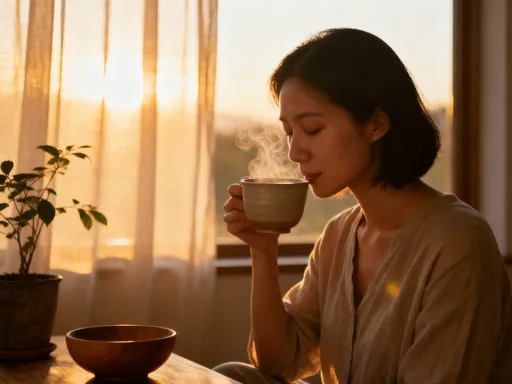
The first change was simple: drinking a cup of warm water as soon as I woke up. In TCM, this practice supports the Spleen and Stomach by gently awakening the digestive system. Cold water, especially first thing in the morning, is believed to slow down digestion and create internal dampness, which can lead to bloating and fatigue. Warm water, on the other hand, helps move Qi and prepares the body to process food efficiently. I started with plain warm water, and over time, I sometimes added a slice of lemon or a small piece of fresh ginger for extra warmth and circulation.
Next, I incorporated five to ten minutes of gentle stretching. I didn’t force myself into intense yoga poses—just simple movements like rolling my shoulders, reaching my arms overhead, and bending forward to touch my toes. The goal wasn’t exercise in the conventional sense, but to release stiffness and encourage the smooth flow of Qi throughout the body. I noticed that on days I skipped this, I felt more tense and sluggish by mid-morning. On days I did it, even briefly, my energy felt more steady.
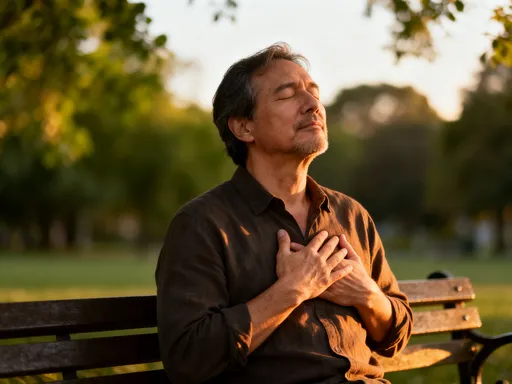
Finally, I added a short breathing practice. I sat quietly for three to five minutes, focusing on slow, deep breaths. In TCM, the Liver is associated with smooth emotional flow, and stress or anger can cause Qi to become “stuck.” Deep breathing helps release this stagnation, calming the mind and reducing irritability. I didn’t aim for perfection—some mornings my mind raced, and that was okay. The act of pausing, of giving myself a few quiet moments before the day began, made a noticeable difference in my mood and focus.
What made these rituals stick was their simplicity and flexibility. I didn’t require special equipment or a lot of time. If I was short on time, I’d do just one of them. If I traveled, I adapted—drinking warm tea instead of water, doing a few stretches in my hotel room. Over time, these small acts became anchors—gentle reminders that my well-being mattered, and that I could begin each day with intention.
Eating with the Seasons: A Beginner’s Guide to Food Energetics
One of the most practical aspects of TCM wellness is its approach to food. Unlike restrictive diets that focus on calories or macronutrients, TCM views food as a form of nourishment that can either support or disrupt internal balance. The key insight is that foods have energetic qualities—some are warming, some are cooling, and others are neutral. By paying attention to these qualities and matching them to the season and your current state, you can support your body’s natural harmony.
For example, in the winter months, when the external environment is cold and dark, the body benefits from warming foods. Think of slow-cooked soups, stews, roasted root vegetables, and warm grains like oats or millet. These foods are easier to digest and help conserve Yang energy. In contrast, summer is a time of heat and activity. Cooling foods like cucumber, watermelon, leafy greens, and lightly cooked vegetables can help prevent overheating and support hydration. This doesn’t mean you should never eat a salad in winter or a warm soup in summer—it’s about overall balance and listening to what your body needs.
I began experimenting with this by making small adjustments to my meals. In the colder months, I shifted from cold cereals and smoothies to warm porridge with a pinch of cinnamon or a small amount of ginger. I noticed that my digestion improved, and I felt more grounded. In the summer, I incorporated more raw vegetables and cooling herbs like mint into my meals, which helped me feel lighter and less sluggish in the heat.
Another important principle is eating according to how you feel, not just the calendar. If you’re feeling fatigued and cold, even in summer, your body may benefit from warming foods. If you’re experiencing heat symptoms—like redness, irritability, or night sweats—cooler foods may be more supportive. TCM encourages observation and gentle experimentation, not rigid rules. The goal is not to follow a perfect diet but to develop a deeper awareness of how food affects your energy, mood, and digestion.
This approach also reduces guilt around eating. Instead of labeling foods as “good” or “bad,” TCM invites you to see them as tools for balance. A piece of cake isn’t inherently wrong—it might simply be more appropriate in moderation during a festive winter gathering than as a daily habit in the summer. By shifting from judgment to curiosity, eating becomes an act of self-care rather than a source of stress.
Emotions and Energy: How Stress Lives in the Body
One of the most surprising revelations in my TCM journey was learning how deeply emotions are connected to physical health. In Western culture, we often separate mind and body, treating emotional stress as something to be managed mentally—through therapy, meditation, or distraction. TCM, however, sees emotions as physiological forces that directly impact organ function. When emotions are intense, chronic, or suppressed, they can disrupt the flow of Qi and contribute to physical symptoms.
For instance, TCM associates anger and frustration with the Liver. This doesn’t mean getting upset causes liver disease, but that frequent emotional tension can lead to Liver Qi stagnation, which may manifest as headaches, tight shoulders, irregular menstrual cycles, or digestive discomfort. Similarly, excessive worry or overthinking is linked to the Spleen. If you’ve ever felt “stomach in knots” when anxious, you’ve experienced this connection firsthand. Sadness and grief affect the Lungs, which in TCM govern respiration and the immune system, potentially leading to shallow breathing or frequent colds.
Understanding this helped me reframe my stress. Instead of seeing tension as purely psychological, I began to recognize it as a physical signal—a cue to slow down, breathe, or make a change. I started incorporating simple tools to release emotional stagnation. One of the most effective was five-minute breathwork. I would sit quietly and inhale slowly through my nose for a count of four, hold for a moment, and exhale through my mouth for a count of six. This simple practice helped calm my nervous system and release tightness in my chest and shoulders.
I also began journaling with gentle prompts, such as “What am I holding onto?” or “What do I need to let go of today?” This wasn’t about deep analysis, but about creating space to acknowledge my feelings without judgment. Over time, I noticed that when I addressed emotional tension early, I was less likely to experience physical symptoms later. Emotional awareness, I realized, was not a luxury—it was a form of prevention, a way of honoring the body’s intelligence and maintaining balance before small disruptions became bigger issues.
Building Your Personal Rhythm: Sleep, Movement, and Stillness
In traditional Chinese medicine, rhythm is everything. The body thrives on consistency—regular sleep, balanced activity, and moments of rest. One of the most powerful adjustments I made was aligning my daily routine with the body’s natural cycles. TCM emphasizes the importance of going to bed early, ideally by 10:30 p.m., to support the body’s blood-nourishing phase, which occurs between 11 p.m. and 1 a.m. While I didn’t achieve perfect bedtime discipline overnight, I began by dimming the lights and turning off screens an hour before bed. This small shift helped signal to my body that it was time to wind down, improving both the quality and depth of my sleep.
Movement is another essential component. In TCM, “Qi moves with blood”—meaning that physical activity helps circulate energy and prevent stagnation. But this doesn’t mean intense workouts are required. Gentle, regular movement is often more effective. I started taking short walks after meals, which not only supported digestion but also cleared my mind. I also explored practices like tai chi and qigong, which combine slow motion with breath awareness to harmonize body and mind. Even five to ten minutes a day made a difference in how I felt.
Equally important was creating space for stillness. In a world that values constant productivity, sitting quietly can feel uncomfortable or even wasteful. But in TCM, stillness is not idleness—it’s a form of nourishment. I began setting aside five minutes each day to simply sit and breathe, without distractions. Sometimes I would light a candle or listen to soft music, but the goal was simply to be present. Over time, these moments of quiet became a refuge—a way to reconnect with myself amid the busyness of daily life.
The key was consistency, not intensity. I didn’t need to transform my entire schedule. Small, repeated actions—going to bed 15 minutes earlier, walking for 10 minutes, pausing to breathe—gradually retrained my body’s rhythms. And as my rhythm stabilized, so did my energy, mood, and digestion. I wasn’t doing more—I was simply living in a way that supported my body’s natural ability to heal and balance itself.
Realistic Progress: What to Expect (And What Not to)
When I first began exploring TCM principles, I admit I hoped for quick results. I wanted to wake up one morning feeling completely transformed. But what I learned is that true balance is not achieved overnight. It’s a gradual process of refinement—like tuning a piano one note at a time. There were days I felt discouraged, especially when old habits resurfaced or I didn’t notice immediate changes. But over time, the shifts became undeniable: I slept more soundly, my digestion improved, and I felt less reactive to stress.
One of the most meaningful milestones was noticing fewer cravings. In the past, I would reach for sugary snacks in the afternoon, often out of fatigue or emotional habit. As my Spleen Qi strengthened through warmer meals and regular routines, those cravings diminished. I also found it easier to focus and make decisions without feeling overwhelmed. These weren’t dramatic breakthroughs, but quiet, steady improvements that added up.
It’s important to be honest about what TCM adjustment is not. It’s not a cure-all. It won’t replace medical treatment for serious conditions. If you have a health concern, always consult a qualified healthcare provider. TCM practices are best used as supportive tools—ways to enhance your well-being and build resilience. They require patience and self-compassion. There will be days you forget to drink warm water or skip your walk, and that’s okay. Progress isn’t linear.
What matters is the intention—the willingness to listen, to adjust, and to care for yourself with kindness. Over time, these small choices create a new normal: not a state of perfection, but a deeper sense of alignment. You begin to trust your body’s signals, to honor its needs, and to move through life with greater ease. That, to me, is the essence of wellness—not a destination, but a daily practice of returning to balance, one gentle choice at a time.
This journey isn’t about becoming an expert in TCM—it’s about listening to your body and making small, sustainable choices. By integrating these gentle, time-honored principles, you’re not chasing wellness; you’re cultivating it, day by day.