What Changed When I Finally Listened to My Body During Menopause
Menopause isn’t a crisis—it’s a shift. And for me, it came with surprise visits from hot flashes, mood swings, and endless fatigue. I spent years fighting my body instead of working with it. But when I started making small, science-backed changes, everything began to feel more manageable. This is about what actually helped me feel like *me* again—no magic fixes, just real adjustments that support long-term well-being. It wasn’t about reversing time or clinging to youth, but about honoring the changes and responding with care, not resistance. What I discovered wasn’t a cure, but a quieter, wiser way of living—one that finally aligned with the woman I had become.
The Wake-Up Call: When Menopause Knocked, I Wasn’t Ready
The first sign wasn’t dramatic. It was a night sweat so intense I woke up drenched, convinced the thermostat had failed. Then came the irritability—snapping at my daughter over spilled milk, then immediately regretting it. My energy would crash by 3 p.m., no matter how much sleep I got. I chalked it up to stress, aging, or just being “busy.” But deep down, I knew something was shifting. I wasn’t just tired; I felt disconnected from myself, as if my body had become an unfamiliar landscape.
Like many women, I didn’t see menopause coming. I had grown up hearing whispers about it—jokes about hot flashes, sighs about “being done with periods”—but no real conversation about what it truly meant. I thought of it as an ending: the close of fertility, the beginning of decline. That narrative made me resistant, even defensive. I pushed harder at work, skipped meals, ignored my fatigue, and treated my symptoms like personal failures. I wasn’t aging—I was malfunctioning, or so I believed.
But ignoring the signals only deepened the imbalance. The more I tried to power through, the more my body pushed back. My sleep worsened. My mood became unpredictable. My clothes didn’t fit the same way, and not because I’d gained weight—my body was redistributing fat, a common hormonal shift. I finally realized that fighting my physiology wasn’t strength; it was self-sabotage. The real strength lay in listening, in accepting that this phase wasn’t a flaw, but a biological transition as significant as puberty. And like any major life change, it required adaptation, not denial.
What Is Menopause, Really? Breaking Down the Biology (Without the Jargon)
Menopause is officially marked by one year without a menstrual period, typically occurring between ages 45 and 55. But the transition—called perimenopause—can begin years earlier, with fluctuating hormone levels signaling the ovaries to wind down their reproductive role. The two key players in this shift are estrogen and progesterone, hormones that influence far more than fertility. They regulate body temperature, mood, sleep cycles, bone density, skin elasticity, and even cognitive function.
As estrogen levels decline, the body’s internal thermostat becomes more sensitive, leading to hot flashes and night sweats. Progesterone, which has a calming effect on the brain, also drops, contributing to anxiety, sleep disturbances, and irritability. These hormonal fluctuations don’t happen in a straight line—they rise and fall unpredictably, which is why symptoms can come and go, sometimes for years. This erratic pattern often leaves women feeling confused and frustrated, wondering why they feel fine one week and overwhelmed the next.
It’s important to understand that menopause is not a disease. It’s a natural, inevitable phase of life, like adolescence or pregnancy. Yet, unlike those stages, it’s rarely celebrated or even discussed with compassion. Because every woman’s hormonal baseline, lifestyle, and genetics differ, the experience is deeply personal. Some breeze through with minimal symptoms, while others face significant challenges. Neither experience is “normal” or “abnormal”—they’re simply different expressions of the same biological process. Recognizing this variability is the first step toward self-compassion and effective support.
Mindset Shift: From Survival Mode to Health Optimization
For a long time, I was in survival mode—reacting to symptoms as they arose, chasing quick fixes, and measuring my worth by how much I could accomplish in a day. I treated menopause like an enemy to be defeated, rather than a phase to be navigated. But when I shifted my mindset from resistance to response, everything changed. Instead of asking, “How can I make this go away?” I began asking, “What is my body trying to tell me?” That simple reframe opened the door to proactive wellness.
This new perspective allowed me to see menopause not as a decline, but as an invitation—an opportunity to reassess my habits, priorities, and self-care. The physical changes were highlighting areas of my life that were already out of balance: poor sleep, chronic stress, inconsistent nutrition, and lack of movement. Rather than viewing these symptoms as punishments, I began to see them as signals, urging me to make sustainable upgrades. And because hormonal shifts during menopause can affect metabolism, bone health, and cardiovascular function, the choices I made now would have long-term consequences.
The most powerful realization was that small, consistent actions create lasting change. I didn’t need to overhaul my life overnight. I didn’t need perfection. What mattered was showing up for myself, day after day, with kindness and intention. This wasn’t about fixing myself—it was about supporting myself. And that shift in mindset—from fixing to fostering—made all the difference. I stopped seeing menopause as something to endure and started seeing it as a chapter where I could thrive, differently.
My 3 Game-Changing Daily Habits (And How They Work)
When I began to align my daily routine with my body’s changing needs, I noticed improvements faster than I expected. Three habits, in particular, became non-negotiables—simple, science-backed practices that stabilized my energy, improved my sleep, and reduced my symptoms. They weren’t extreme or time-consuming, but their cumulative effect was profound.
The first was a grounding morning routine: drinking a large glass of water as soon as I woke up, followed by ten minutes of light movement. Hydration is crucial during menopause because declining estrogen can affect fluid balance and skin moisture. Starting the day with water helps kickstart metabolism and supports cognitive clarity. The light movement—often just stretching, gentle yoga, or a short walk—signaled to my nervous system that the day had begun calmly, not frantically. This small ritual reduced morning brain fog and set a steadier tone for the hours ahead.
The second habit was focused on balanced blood sugar. I learned that hormonal fluctuations can make blood sugar regulation more challenging, leading to energy crashes, cravings, and mood swings. To counter this, I made sure every meal included protein, fiber, and healthy fats. Instead of skipping breakfast or grabbing a muffin, I’d have eggs with vegetables or Greek yogurt with berries and nuts. Eating at regular intervals—every 3 to 4 hours—helped prevent insulin spikes and kept my energy stable. This simple shift reduced my afternoon fatigue and curbed emotional eating.
The third habit was a wind-down ritual: turning off screens an hour before bed and practicing breathwork. Blue light from phones and tablets suppresses melatonin, the hormone that regulates sleep, and stress hormones like cortisol can remain elevated if the mind doesn’t have time to transition. By creating a screen-free buffer zone, I gave my body a chance to prepare for rest. I’d spend those 60 minutes reading, journaling, or doing diaphragmatic breathing—inhaling slowly through the nose, exhaling even more slowly through the mouth. This activated the parasympathetic nervous system, lowering heart rate and quieting mental chatter. Over time, my sleep quality improved significantly, and with better rest, my resilience during the day increased.
Food as Support, Not Punishment: Eating for Energy and Mood
I used to think menopause meant I had to go on a diet—restrict calories, cut carbs, and chase weight loss at all costs. But that approach only left me hungrier, more tired, and more frustrated. What changed was shifting my focus from restriction to nourishment. I began to see food not as the enemy, but as a source of support—fuel that could help my body adapt, heal, and stabilize.
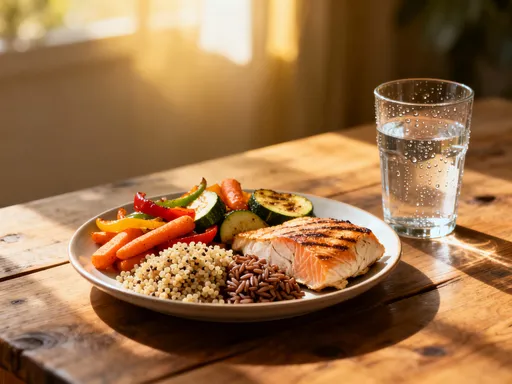
Instead of following trendy diets, I focused on real, whole foods: vegetables, fruits, lean proteins, legumes, nuts, seeds, and whole grains. I stopped stressing over every bite and allowed myself flexibility. The goal wasn’t perfection, but consistency. I noticed that when I ate regular, balanced meals, my mood was steadier, my energy more reliable, and my cravings less intense. Food became a tool for self-care, not a source of guilt.
Certain nutrients proved especially supportive. Phytoestrogens—plant compounds found in soy, flaxseeds, and lentils—can have a mild estrogen-like effect in the body, helping to ease some symptoms like hot flashes for some women. Omega-3 fatty acids, found in fatty fish, walnuts, and chia seeds, support brain health and reduce inflammation, which can worsen joint pain and mood swings. Magnesium, abundant in leafy greens, pumpkin seeds, and dark chocolate, plays a role in muscle relaxation, sleep regulation, and stress response—all areas affected by menopause.
Equally important was gut health. Emerging research shows a strong connection between the gut microbiome and hormonal balance. A healthy gut can help metabolize and eliminate excess or spent hormones, while an imbalanced gut may contribute to inflammation and estrogen dominance. To support my gut, I included fiber-rich foods, fermented options like yogurt and sauerkraut, and stayed hydrated. I also minimized processed foods, excess sugar, and alcohol, which can disrupt both gut and hormone health. By treating my digestive system with care, I found my overall well-being improved in ways I hadn’t anticipated.
Movement That Feels Good: Why Intensity Isn’t Everything
For years, I believed that exercise had to be hard to be worthwhile. I chased endorphins through high-intensity workouts, proud of how much I could push. But during menopause, that approach backfired. My recovery time lengthened, my joints ached, and my energy plummeted. I realized I needed to redefine what movement meant—not as punishment or performance, but as support.
I let go of the “no pain, no gain” mentality and embraced activities that felt good. Walking became my anchor. A 30-minute walk each day, whether in the neighborhood or through a local park, improved my circulation, lifted my mood, and helped regulate my weight. The rhythmic motion also had a meditative quality, giving me space to reflect and decompress. On days when walking felt like too much, I’d stretch or do gentle yoga—focusing on mobility, breath, and connection to my body.
Strength training also became essential, not for aesthetics, but for health. After 40, women begin to lose muscle mass at a rate of 3–5% per decade, a process that accelerates during menopause. Since muscle burns more calories at rest and supports metabolic health, maintaining it is crucial. I started with bodyweight exercises—squats, lunges, push-ups—and gradually added light dumbbells. Just two or three sessions a week made a noticeable difference in my strength, posture, and confidence.
The key was sustainability. I stopped viewing exercise as something I had to “fit in” and started seeing it as a daily act of self-respect. I listened to my energy levels—if I was exhausted, I’d rest or do a gentle stretch. If I had energy, I’d walk farther or add a few extra reps. This adaptive approach prevented burnout and made movement a consistent, enjoyable part of my life rather than a chore.
Sleep, Stress, and the Hidden Hormone Disruptors
Sleep and stress are deeply intertwined with hormonal health, yet they’re often overlooked in conversations about menopause. When cortisol—the primary stress hormone—remains elevated due to chronic stress or poor sleep, it can interfere with the production and balance of estrogen and progesterone. This creates a vicious cycle: hormonal changes disrupt sleep, poor sleep increases stress, and heightened stress further disrupts hormones.
I began to see stress not just as mental strain, but as a physiological burden. Deadlines, family responsibilities, financial concerns—all of these activated my nervous system, keeping me in a state of low-grade alertness. Over time, this constant activation wore down my resilience. I learned that recovery matters as much as action. Just as muscles need rest to repair, the nervous system needs downtime to reset. Without it, the body remains in survival mode, making it harder to regulate mood, energy, and hormones.
To break the cycle, I prioritized stress management. I built in short pauses throughout the day—a five-minute breathing break, a mindful cup of tea, a few moments of stillness. I also optimized my sleep environment: keeping the bedroom cool (to counter night sweats), using blackout curtains, and reserving the bed for sleep and intimacy only. I established a consistent bedtime and wake-up time, even on weekends, to stabilize my circadian rhythm.
These changes didn’t eliminate stress, but they gave me tools to respond differently. Instead of reacting to pressure with tension, I could pause, breathe, and choose a calmer response. Over time, my sleep deepened, my anxiety lessened, and my body felt more regulated. I realized that rest wasn’t laziness—it was foundational to healing and balance.
Putting It All Together: Building Your Own Support System
There is no single blueprint for navigating menopause. What works for one woman may not work for another. The most important lesson I’ve learned is that this journey is deeply personal. It requires curiosity, patience, and a willingness to experiment. I started tracking my symptoms, energy levels, food, and mood in a simple journal. Over time, patterns emerged—certain foods triggered hot flashes, lack of sleep worsened my mood, movement improved my sleep. This self-awareness empowered me to make informed choices.
At the same time, I didn’t try to do it all alone. I sought guidance from my doctor, who helped rule out other conditions and discussed options like hormone therapy when appropriate. I also worked with a certified health coach who specialized in women’s wellness, offering support and accountability. These professionals didn’t have all the answers, but they provided valuable perspective and helped me stay on track.
Menopause isn’t something to “get through.” It’s not the end of vitality, beauty, or purpose. It’s a new chapter—one that invites us to deepen our relationship with ourselves. When I finally listened to my body, I didn’t regain my old self. I discovered a wiser, more grounded version of me. One who values rest as much as productivity, who eats to nourish rather than punish, who moves with intention, and who sees change not as loss, but as evolution. This isn’t about surviving menopause. It’s about thriving through it—with grace, strength, and self-compassion.