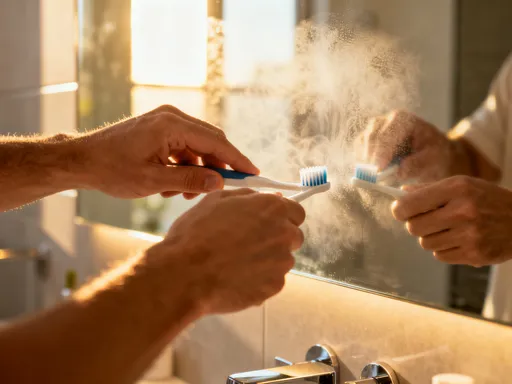
The Science Behind Your Daily Brush: How Routine Keeps Your Smile Strong
Oral health isn’t just about avoiding cavities—it’s a window into your overall well-being. Research shows that consistent oral care routines directly impact gum health, breath freshness, and even long-term systemic wellness. I used to skip flossing until my dentist pointed out early gum inflammation. That small wake-up call made me rethink my habits. What I discovered was surprising: science backs up the power of regularity. It’s not perfection—it’s persistence that counts. Small, repeated actions build protection over time, shielding not only your smile but potentially your heart, energy levels, and confidence. This article explores how daily choices shape lasting health, backed by research and real-life insights.
The Hidden Power of Consistency in Oral Care
Many people believe that brushing thoroughly once in a while is enough to maintain good oral health. However, scientific evidence strongly suggests otherwise. The true strength of oral hygiene lies not in occasional perfection but in consistent, daily practice. Plaque—a sticky film of bacteria—begins to form on teeth within just 24 hours after cleaning. If not removed regularly, it hardens into tartar, which cannot be removed by brushing alone and requires professional intervention. This biological timeline underscores why daily brushing and flossing are non-negotiable for long-term dental health.
Consistency creates a protective rhythm. When you brush twice a day and floss once, you disrupt bacterial colonies before they can cause damage. Studies published in the Journal of Clinical Periodontology show that individuals who follow a regular oral care routine have significantly lower rates of gingivitis and tooth decay compared to those who brush irregularly, even if the latter occasionally brush more thoroughly. The key is frequency, not intensity. Over time, this repetition trains both your body and mind. Behavioral psychology refers to this as “habit formation,” where repeated actions become automatic, requiring less willpower to maintain.
Yet misconceptions persist. Some believe that using mouthwash can replace flossing or that brushing hard ensures a deeper clean. In reality, mouthwash does not remove plaque effectively—it may kill some bacteria but cannot dislodge the biofilm that adheres to teeth. Similarly, aggressive brushing can damage enamel and irritate gums, leading to recession. These myths distract from the core principle: mechanical removal of plaque through brushing and flossing is irreplaceable. Tools matter, but consistency matters more. A soft-bristled toothbrush used gently twice a day is far more effective than an electric brush used sporadically.
Another common error is focusing only on visible surfaces while neglecting the gumline and back molars—areas most prone to decay. A consistent routine helps ensure all zones receive attention. Over time, the act of brushing becomes less of a chore and more of a natural part of the day, like locking the door at night or setting an alarm in the morning. This automaticity is the goal. It’s not about being perfect every single day; it’s about returning to the habit quickly when missed. That resilience—coming back to the routine—is what builds lasting oral health.
Why Timing and Technique Matter More Than You Think
Brushing your teeth might seem like a simple task, but the details make all the difference. How long you brush, the angle of your brush, the pressure applied, and when you brush relative to meals all influence effectiveness. Dental professionals recommend brushing for two minutes, twice a day—morning and night. This duration allows sufficient time to clean all surfaces of the teeth, including the often-overlooked inner sides and chewing surfaces. Research from the American Dental Association (ADA) confirms that brushing for less than two minutes removes significantly less plaque than a full two-minute session.
Technique is equally critical. The optimal method involves holding the toothbrush at a 45-degree angle to the gums, using short, gentle strokes in a circular motion. This angle allows bristles to reach slightly beneath the gumline, where plaque tends to accumulate. Applying too much pressure can wear down enamel and cause gum recession, exposing sensitive root surfaces. A common mistake is scrubbing horizontally across the teeth, which fails to clean the gumline effectively and increases the risk of abrasion. Switching to a gentle, circular technique can prevent these issues while improving cleaning efficiency.
Timing also plays a crucial role. Many people brush immediately after eating, especially after consuming acidic foods like citrus fruits, tomatoes, or soda. However, this can be harmful. Acid softens enamel temporarily, and brushing right after exposure can accelerate erosion. Dentists recommend waiting at least 30 minutes after eating acidic foods before brushing, allowing saliva to neutralize the pH and reharden the enamel. Rinsing with water or chewing sugar-free gum after meals can help cleanse the mouth in the meantime without risking damage.
Electric toothbrushes have been shown to improve brushing outcomes for many users. Models with built-in timers ensure the full two minutes are spent brushing, while oscillating or sonic technology can remove more plaque than manual brushing. A Cochrane review of clinical trials found that electric toothbrushes reduce plaque and gingivitis more effectively over time, especially in individuals who tend to rush their routine. However, even the most advanced toothbrush cannot compensate for poor timing or incorrect technique. The best tool is only as effective as the method behind it. Pairing an electric brush with proper form and consistent timing maximizes protection.
Flossing: The Underused Secret Weapon
If brushing is the foundation of oral care, flossing is the essential reinforcement. Yet, it remains one of the most neglected aspects of daily hygiene. According to the CDC, only about 30% of adults floss daily, despite overwhelming evidence of its benefits. Flossing targets interdental spaces—areas between teeth where a toothbrush cannot reach. These zones are prime locations for plaque buildup, food retention, and bacterial growth, making them hotspots for cavities and gum disease.
Scientific studies consistently link regular flossing to improved gum health. A review in the Journal of Periodontology found that individuals who floss daily experience significantly less gingival bleeding and inflammation compared to those who do not. This is because flossing disrupts bacterial colonies in tight spaces, reducing the risk of periodontal disease. Left unchecked, interdental plaque can lead to gum recession, bone loss, and even tooth loss over time. Flossing is not optional—it is a critical component of comprehensive oral care.
Many people avoid flossing because they find it time-consuming, awkward, or uncomfortable. Some report bleeding gums and interpret this as a sign to stop, when in fact, it often indicates existing inflammation that improves with continued use. Proper flossing technique involves gently guiding the floss between teeth using a zigzag motion, curving it around the base of each tooth in a C-shape, and sliding it beneath the gumline. Using about 18 inches of floss allows for a clean section between each tooth, minimizing the spread of bacteria.
For those who struggle with traditional floss, alternatives exist. Interdental brushes—small, cone-shaped tools—can clean between teeth effectively, especially for people with wider gaps or dental work like bridges. Water flossers, which use a stream of pulsating water, have also gained popularity. Research published in the Journal of Clinical Dentistry shows that water flossers can reduce gingivitis and bleeding more effectively than string floss in some cases, particularly for individuals with braces or mobility challenges. However, no alternative completely replaces the precision of manual flossing for all users. The key is finding a method that fits your lifestyle and using it consistently.
The Mouth-Body Connection: Beyond Teeth and Gums
For decades, oral health was treated as separate from the rest of the body. Today, science reveals a powerful connection between the mouth and systemic health. Chronic gum disease, also known as periodontitis, has been linked to several serious conditions, including cardiovascular disease, diabetes, and inflammatory disorders. While correlation does not equal causation, the biological mechanisms behind these associations are increasingly understood. The mouth is not an isolated system—it is a gateway to the bloodstream and immune system.
Gum disease is characterized by persistent inflammation. When bacteria accumulate below the gumline, the body mounts an immune response, leading to swelling, bleeding, and tissue destruction. Over time, inflammatory markers such as C-reactive protein (CRP) and interleukin-6 (IL-6) circulate throughout the body. Elevated levels of these markers are associated with increased risk of atherosclerosis—the hardening of arteries—which can lead to heart attacks and strokes. Some studies suggest that people with severe periodontitis have a 20–30% higher risk of developing cardiovascular disease compared to those with healthy gums.
The relationship between oral health and diabetes is particularly strong. High blood sugar impairs the body’s ability to fight infection, making gums more vulnerable to bacterial invasion. At the same time, gum disease can make it harder to control blood glucose levels, creating a two-way relationship. The American Diabetes Association recommends that people with diabetes receive regular dental checkups as part of their overall care plan. Managing gum health can improve glycemic control, reducing complications associated with the disease.
While these connections are significant, it’s important not to overstate the case. Poor oral hygiene alone does not guarantee heart disease or diabetes. Rather, it is one contributing factor among many, including genetics, diet, and lifestyle. However, maintaining good oral health is a controllable variable—a proactive step toward reducing systemic inflammation and supporting long-term wellness. Dentists often detect early signs of systemic conditions during routine exams, such as dry mouth linked to medication side effects or oral lesions associated with nutritional deficiencies. This underscores the value of regular dental visits as part of holistic health monitoring.
Building a Sustainable Routine: Psychology Meets Practice
Starting a new habit is often easier than maintaining it. Motivation fades, schedules change, and life gets busy. Yet, the benefits of oral care depend on long-term adherence. This is where behavioral science offers practical solutions. Research in habit formation shows that consistency is more likely when new behaviors are tied to existing routines, a concept known as “habit stacking.” For example, brushing immediately after morning coffee or before putting on pajamas at night creates a natural cue that triggers the desired action.
Environmental design also plays a role. Keeping your toothbrush and floss visible on the bathroom counter—rather than tucked away in a cabinet—increases the likelihood of use. Placing a sticky note on the mirror or setting a daily phone reminder can reinforce the behavior until it becomes automatic. Small visual cues work because they reduce the mental effort required to remember the task. Over time, these external prompts become internalized, and the behavior feels natural.
Tracking progress can also boost motivation. Using a simple calendar to mark each day you brush and floss provides a visual record of success. The “don’t break the chain” method, popularized by productivity experts, leverages the psychological desire to maintain continuity. Seeing a streak of checkmarks encourages continuation, while missing a day becomes a reminder to restart quickly. Importantly, perfection is not the goal—consistency is. Missing one day does not negate progress. What matters is returning to the routine without guilt or delay.
Another effective strategy is reframing the behavior. Instead of viewing oral care as a chore, consider it a daily act of self-respect and long-term investment. Each brush and floss is a small promise to yourself—a commitment to feeling fresh, confident, and healthy. This mindset shift transforms the activity from obligation to empowerment. When framed positively, the routine becomes less about avoiding problems and more about enhancing quality of life.
Common Pitfalls and How to Avoid Them
Even with the best intentions, many people fall into predictable traps that undermine their oral care efforts. One of the most common is aggressive brushing. Some believe that harder brushing removes more plaque, but the opposite is true. Excessive pressure wears down enamel—the protective outer layer of teeth—and damages gum tissue, leading to sensitivity and recession. A soft-bristled brush used with gentle pressure is far more effective and safer for long-term use.
Another frequent mistake is using an old or worn toothbrush. Over time, bristles fray and lose their effectiveness. The ADA recommends replacing your toothbrush every three to four months, or sooner if the bristles become splayed. A frayed brush cannot clean properly and may harbor bacteria. Similarly, storing a toothbrush in a closed container promotes microbial growth; it’s better to let it air-dry upright in an open area.
Skipping the nighttime brush is another widespread issue. Some people prioritize morning brushing but neglect the evening session, not realizing that overnight plaque accumulation is especially harmful. Saliva production decreases during sleep, reducing the mouth’s natural ability to neutralize acids and wash away food particles. Brushing before bed removes the day’s buildup and creates a cleaner environment for rest. Skipping this step allows bacteria to thrive unchecked for hours.
Some individuals rely on “natural” remedies like oil pulling or baking soda brushing, believing these replace traditional methods. While certain natural practices may offer mild benefits, they do not substitute for mechanical plaque removal. There is limited scientific evidence supporting oil pulling as a primary cleaning method, and baking soda, while mildly abrasive, does not remove plaque as effectively as fluoride toothpaste. These alternatives can complement—but not replace—a proven routine of brushing with fluoride toothpaste and flossing.
Professional Care: The Essential Partner to Daily Habits
No matter how diligent your daily routine, it cannot replace professional dental care. At-home hygiene prevents plaque buildup, but only a dental hygienist can remove tartar—the hardened form of plaque that adheres firmly to teeth. Tartar, also known as calculus, provides a rough surface that attracts more bacteria, accelerating gum disease. Regular cleanings every six months help keep this buildup under control and allow for early detection of potential problems.
Dental checkups also provide a comprehensive assessment that goes beyond cleaning. Dentists examine for signs of cavities, enamel wear, oral cancer, and jaw disorders. They may take X-rays to detect decay between teeth or below the gumline—issues invisible to the naked eye. Early detection means simpler, less invasive treatments. A small cavity caught early can be filled quickly, while an undetected one may eventually require a root canal or extraction.
Moreover, dentists offer personalized guidance. They can identify specific areas where you may be missing during brushing, recommend tools tailored to your needs—such as a special mouthguard for grinding or a specific type of floss for tight spaces—and provide feedback on your technique. This individualized support enhances the effectiveness of your daily routine. Open communication with your dental team ensures you receive care that aligns with your lifestyle and health goals.
Viewing dental visits as preventive, not punitive, shifts the mindset from fear to empowerment. Regular appointments are not about being scolded for missed flossing—they are about partnership in maintaining health. When combined with a consistent home routine, professional care creates a powerful synergy. Together, they form a complete defense system for your smile—one that protects function, appearance, and overall well-being.
Oral health is not a one-time achievement but a lifelong practice. The science is clear: daily brushing and flossing, performed correctly and consistently, create lasting protection. These habits do more than prevent cavities—they support fresh breath, strong gums, and potentially even systemic health. By understanding the why behind the routine, refining technique, avoiding common errors, and partnering with dental professionals, anyone can build a sustainable practice. It’s not about perfection. It’s about showing up every day, making small choices that add up to a lifetime of confident, healthy smiles.