How Social Life Transformed My Eating Habits—And Why It Might Work for You
We often think of dieting as a solo mission—counting calories, meal prepping in silence, and resisting cravings alone. But what if the key to healthier eating isn’t just willpower, but who you’re sharing your meals with? I discovered that my social circle had a massive impact on my food choices. The truth is, we don’t eat in isolation. Our relationships shape what’s on our plates more than we realize. From family dinners to work lunches, the people around us influence not only what we eat, but how much, how fast, and even how we feel about food. This quiet, often overlooked force—our social environment—can either support or sabotage our health goals. And once we understand how it works, we can begin to use it to our advantage.
The Hidden Link Between Food and Friendship
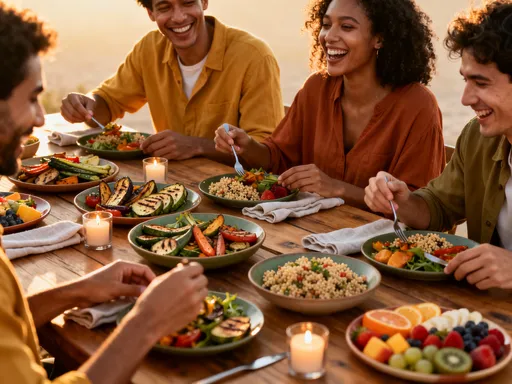
Human beings have always eaten together. From ancient tribal gatherings around fire-cooked meals to modern family dinners at the kitchen table, food has long served as a social glue. This deep-rooted tradition is more than cultural—it’s biological. Our brains are wired to respond to the eating behaviors of those around us. When we sit down with others, we unconsciously mirror their choices. If someone reaches for a salad, we’re more likely to do the same. If they take large portions, we tend to follow. This phenomenon, known as social modeling, has been documented in numerous studies. Research from the University of Birmingham found that individuals are significantly more likely to choose the same food as their dining companion, even when they’re not consciously aware of it.
But it’s not just about food selection—our eating pace and portion size are also influenced by the group. A study published in the journal Appetite showed that people eat slower and consume less when dining with others who eat mindfully, while they tend to speed up and overeat when with fast eaters. This happens because conversation naturally extends meal duration, allowing the body time to register fullness. In contrast, solo meals, especially when eaten in front of a screen, often lead to rushed eating and poor satiety signals. The presence of others also introduces a subtle form of accountability. We’re less likely to grab a second helping of dessert if we feel someone is observing our choices.
Beyond behavior, shared meals provide emotional comfort. The act of eating together triggers the release of oxytocin, a hormone linked to bonding and trust. This sense of connection can reduce stress, which in turn lowers the likelihood of emotional eating. For many, food isn’t just fuel—it’s a language of care. A homemade meal from a loved one, a shared coffee break with a friend, or a holiday feast with extended family—all carry emotional weight. When these experiences are positive, they reinforce healthy relationships with food. But when social meals are tied to pressure, guilt, or overindulgence, they can do the opposite. The key is recognizing that every meal shared is a chance to shape not just our nutrition, but our mindset.
Why Going It Alone Often Backfires
Many people believe that strict discipline means eating alone—away from temptation, distractions, and judgment. They prepare meals in solitude, eat at their desks, or avoid gatherings altogether to stay “on track.” While this approach may offer short-term control, it often leads to long-term failure. Isolation removes the very support system that makes sustainable change possible. Without encouragement, accountability, or shared joy, healthy eating becomes a chore rather than a lifestyle. Over time, this rigid, solitary approach can foster feelings of deprivation, which increase the risk of bingeing or giving up entirely.
Emotional eating is another common consequence of eating alone. When meals lack connection, food can become a substitute for companionship. A person might eat not because they’re hungry, but because they’re lonely, stressed, or bored. This pattern is especially common among those who live by themselves or have irregular social routines. Studies have shown that individuals who frequently eat alone are more likely to report higher levels of stress, lower mood, and poorer dietary quality. The absence of conversation or distraction during meals can also lead to mindless eating—finishing a meal without truly tasting it or noticing when fullness sets in.
Moreover, solo dieting often relies on willpower, which is a limited resource. Resisting every craving on your own is exhausting. But when others are involved, the burden is shared. A friend who chooses water over soda, a partner who opts for grilled fish instead of fried chicken, or a family member who skips dessert can all reinforce healthy behaviors through subtle encouragement. This is not about peer pressure in a negative sense—it’s about positive social reinforcement. When healthy choices are normalized within a group, they become easier to maintain. The goal isn’t perfection, but consistency. And consistency is far more achievable when we’re not trying to do it all by ourselves.
Eating Together, Eating Better: The Science Behind It
Decades of research support the idea that shared meals are linked to better nutrition. A landmark study from the Archives of Pediatrics & Adolescent Medicine found that adolescents who regularly eat dinner with their families are more likely to consume fruits, vegetables, and whole grains, and less likely to drink sugary beverages or eat fast food. These benefits extend into adulthood. Adults who participate in regular group meals—whether with family, friends, or coworkers—tend to have higher dietary quality, including greater fiber intake and lower consumption of processed foods.
One reason for this is mindful eating. When we eat with others, conversation naturally slows us down. This pause between bites gives the brain time to receive signals from the stomach that we’re full—a process that takes about 20 minutes. In contrast, solo eaters, especially those distracted by phones or television, often eat too quickly and miss these cues, leading to overeating. Group meals also tend to be more structured, with a clear beginning and end, which helps regulate eating patterns. There’s less likelihood of grazing throughout the evening when you’re not alone at the kitchen counter.
Another benefit is the psychological safety that comes with routine. Regular shared meals create a predictable rhythm in daily life, reducing the anxiety that can trigger impulsive eating. For families, dinner together is often a time to reconnect, share stories, and decompress from the day. This emotional stability supports better decision-making around food. Additionally, when meals are prepared and eaten together, there’s a greater sense of investment in the food itself. People are more likely to appreciate a meal they’ve helped make or shared with others, leading to more intentional consumption. The act of sitting down, being present, and engaging with others transforms eating from a mechanical act into a meaningful experience—one that naturally aligns with healthier habits.
Choosing the Right Food Vibes: How Your Circle Shapes Your Plate
Not all social eating environments are created equal. The people we spend time with can either uplift or undermine our health goals. Some relationships encourage balance—where a piece of cake at a birthday party is enjoyed without guilt, and vegetables are part of the norm. Others revolve around excess—where every gathering includes heavy appetizers, alcohol flows freely, and healthy options are scarce. Then there are the “food-stress” dynamics, where eating is tied to criticism, pressure, or emotional tension. Recognizing these patterns is the first step in building a supportive food environment.
A “food-positive” relationship is one where eating is relaxed, inclusive, and joyful. In these settings, there’s no moralizing around food—no labeling items as “good” or “bad.” Instead, there’s an emphasis on enjoyment, variety, and moderation. These groups often include people who are active, who value health, and who don’t make food the center of every interaction. They might go for walks after dinner, plan active outings, or simply respect each other’s choices without judgment. Being around such people can gently shift your own habits over time, not through pressure, but through positive example.
On the other hand, “food-stress” environments can be emotionally taxing. These might include family members who comment on your plate, friends who guilt-trip you for not indulging, or workplaces where treats are constantly offered as a form of bonding. While it’s not always possible to avoid these situations, you can learn to navigate them with boundaries. You might limit exposure, bring your own dish, or focus on non-food aspects of the gathering—like conversation or activities. The goal isn’t to cut people out, but to protect your well-being while maintaining relationships. Over time, you can also seek out or create new social circles that align with your values—whether it’s a walking group, a cooking class, or a community garden. These connections offer both companionship and a natural foundation for healthier living.
Building a Diet Plan That Includes Others
Traditional diet plans are often designed for individuals, with strict rules, portion controls, and meal schedules that don’t account for real life. But life isn’t lived in isolation—and neither should eating. A more sustainable approach is to create a flexible, inclusive plan that works within your social world. This doesn’t mean abandoning your goals; it means adapting them to fit your relationships. Instead of asking, “What can I eat alone?” ask, “How can I eat well with others?”
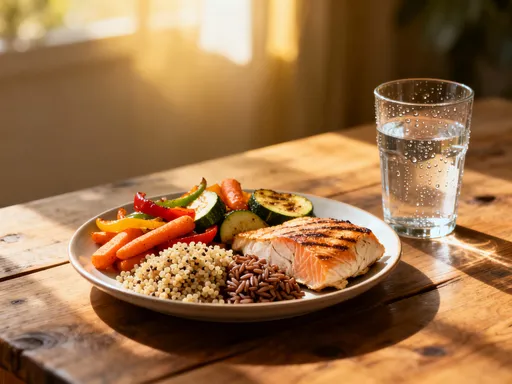
One effective strategy is to take an active role in meal planning. At potlucks or family gatherings, volunteer to bring a nutritious dish you enjoy—like a quinoa salad, roasted vegetables, or a fruit-based dessert. This ensures there’s at least one healthy option you can feel good about. When dining out, look for restaurants with balanced menus—those that offer grilled proteins, vegetable sides, and whole grains. Many establishments now provide nutritional information online, making it easier to make informed choices ahead of time. You can also suggest activities that don’t revolve around food, such as going for a walk, attending a movie, or visiting a museum. This shifts the focus from eating to connecting.
Flexibility is key. A healthy diet isn’t about perfection—it’s about consistency over time. If you’re at a party and choose a slice of pizza, that doesn’t undo your progress. What matters is the overall pattern. The goal is to enjoy social events without feeling restricted or deprived. This balance reduces the “all-or-nothing” thinking that often leads to giving up. By planning ahead, making mindful choices, and staying present, you can participate fully in life while still honoring your health. And when others see that you can enjoy yourself without overindulging, they may begin to follow your lead—not because you preach, but because you model a balanced way of living.
Turning Social Events into Healthy Opportunities
Social events—holidays, birthdays, office parties—are often seen as obstacles to healthy eating. But they don’t have to be. With a little preparation, these moments can become opportunities to practice balance and make choices that support both connection and well-being. The key is to go in with a plan, not a list of restrictions. Instead of telling yourself, “I can’t eat that,” ask, “What can I enjoy that also makes me feel good?”
Start by eating a small, balanced snack before you go. This prevents arriving overly hungry, which increases the likelihood of overeating. Once there, scan the spread before filling your plate. Look for colorful vegetables, lean proteins, and whole grains. If there are indulgent options, it’s okay to include them—just be mindful of portion size. You don’t have to avoid dessert; you can choose a small piece and savor it slowly. Drinking water throughout the event helps with fullness and reduces the urge to snack mindlessly. Standing away from the food table can also help, as it creates a physical barrier between you and constant grazing.
Another powerful strategy is to be the one who brings something nourishing. Whether it’s a fresh fruit platter, a hummus and veggie tray, or a healthy main dish, your contribution can influence the overall offerings. People are often grateful for lighter options, even if they don’t say so. And by bringing food you love, you ensure there’s something you can enjoy without compromise. Over time, you may find that others start to follow your lead—not because you’re pushing, but because they see that healthy eating can be delicious and satisfying. You become a quiet influencer, shaping the food culture around you through action, not argument.
From Isolation to Integration: A New Approach to Eating Well
Healthy eating has long been framed as a personal battle—a test of willpower, discipline, and self-control. But this narrative sets us up for failure. It ignores the powerful role that relationships, routines, and environments play in shaping our choices. The truth is, we are not meant to do this alone. Sustainable change happens not in isolation, but through connection. When we integrate healthy habits into our social lives, they become easier to maintain, more enjoyable, and more meaningful.
Food is one of the most fundamental ways we connect with others. It’s present at celebrations, comforted in grief, and shared in everyday moments. When we reclaim eating as a communal act—one that nourishes both body and soul—we shift from restriction to abundance. We stop seeing healthy eating as a sacrifice and start seeing it as a way to show up fully in our relationships. We eat not just to live longer, but to live better—with more energy, clarity, and presence.
The journey to better eating doesn’t require perfection. It requires awareness, kindness, and the courage to invite others in. It’s about choosing companions who support your well-being, creating traditions that honor health, and making room for both joy and balance. When we eat together, we don’t just share food—we share values, care, and a commitment to living well. And in that shared space, real change begins. Food, then, is not a barrier between us, but a bridge—one that can lead to stronger bodies, deeper connections, and a more fulfilling life for everyone at the table.