What If Your Hair Could Feel Alive Again? A Real Talk Guide to Healthy Hair Habits
Have you ever looked in the mirror and felt like your hair lost its spark? I’ve been there—dry, brittle, lifeless strands that just wouldn’t cooperate no matter what I tried. Turns out, hair health isn’t about expensive products or viral trends. It’s about daily choices, understanding your scalp, and treating hair like part of your overall wellness. This guide shares simple, science-backed habits that actually work—no hype, just honesty. Because healthy hair starts with awareness, not magic.
The Truth About Hair: More Than Just Looks
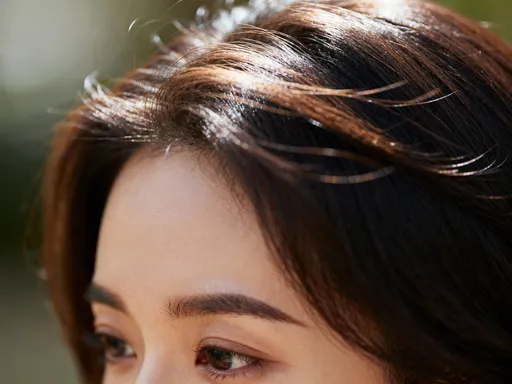
Hair is often seen as a cosmetic feature, something to style or color for appearance. But biologically, it’s far more significant. Each strand grows from a follicle embedded in the scalp, which is a living, breathing part of the body’s largest organ—your skin. The scalp hosts a delicate ecosystem of oils, bacteria, and blood flow that directly influences how strong, thick, and shiny your hair appears. What many overlook is that hair acts as a visible barometer of internal health. Changes in texture, growth rate, or resilience can signal shifts in nutrition, hormonal balance, or stress levels.
Each hair strand is made mostly of keratin, a structural protein, and grows in cycles: an active growth phase (anagen), a resting phase (telogen), and a shedding phase (catagen). On average, scalp hair grows about half an inch per month, though this varies by age, genetics, and health status. Damage doesn’t happen overnight. Years of heat styling, chemical processing, or poor diet gradually weaken the hair shaft, leading to split ends, breakage, and thinning. This slow accumulation explains why sudden changes in hair condition often trace back to lifestyle patterns rather than a single bad haircut or shampoo.
Recognizing hair as an extension of overall wellness shifts the focus from quick fixes to sustainable care. Healthy hair isn’t just about looking good—it reflects a body in balance. When hair feels soft, resilient, and full of movement, it’s often because the systems supporting it—circulation, digestion, hormonal regulation—are functioning well. This perspective encourages a deeper level of self-awareness. Instead of asking, “What product should I buy?” the better question becomes, “What is my body trying to tell me?”
Common Hair Struggles (And What They’re Really Telling You)
Dryness, breakage, thinning, and excess oil are among the most frequent concerns women report, especially between the ages of 30 and 55. These issues are rarely random. Each one can serve as a signal pointing to underlying causes. For example, brittle, straw-like hair often indicates dehydration—both internal and external. When the body lacks sufficient water, it prioritizes vital organs over hair, leaving strands parched and prone to snapping. Similarly, over-washing with harsh shampoos strips natural oils, disrupting the scalp’s moisture barrier and triggering a cycle of dryness and irritation.
Thinning hair can be particularly distressing. While some shedding is normal—losing 50 to 100 strands per day is typical—excessive loss may relate to nutritional deficiencies, especially in iron or protein. Women with heavy menstrual cycles or those who follow restrictive diets may unknowingly deprive their bodies of the building blocks needed for strong hair. Hormonal shifts during perimenopause or after childbirth also affect hair density, often leading to temporary thinning. Recognizing these patterns helps reduce anxiety. Rather than panicking over a clogged shower drain, understanding the context allows for thoughtful, informed responses.
Dullness is another common complaint, often mistaken as a surface issue. But lack of shine usually points to cuticle damage. The outer layer of the hair shaft, when healthy, lies flat and reflects light. Heat styling, UV exposure, and chemical treatments can lift or erode this layer, scattering light and leaving hair looking flat. Meanwhile, oily roots paired with dry ends suggest an imbalance—possibly over-cleansing the scalp, which signals the sebaceous glands to produce more oil, while the lengths remain unprotected and exposed to damage.
These symptoms are not just cosmetic inconveniences. They are messages. Learning to read them transforms hair care from a routine into a form of self-attunement. Instead of reacting with frustration, women can begin to respond with curiosity: What changed in my routine? Am I under more stress? Could my diet use improvement? This shift in mindset is the first step toward lasting change.
Washing Smarter: The Scalp Comes First
How often you wash your hair matters—but not as much as how you wash it. Many assume daily shampooing is necessary, but over-cleansing can do more harm than good. The scalp produces sebum, a natural oil that protects and conditions both scalp and hair. Washing too frequently removes this protective layer, prompting the scalp to overcompensate by producing even more oil. This creates a cycle that leaves hair greasy at the roots and dry at the ends. For most women, washing every two to three days is sufficient, though individual needs vary based on hair type, activity level, and climate.
Water temperature plays a surprisingly important role. Hot water may feel soothing, but it can strip moisture and irritate the scalp, leading to flakiness and inflammation. Warm or lukewarm water is ideal for cleansing without disruption. When applying shampoo, focus on the scalp, not the lengths of the hair. Use gentle fingertip massage to stimulate circulation and remove buildup without scratching or damaging the skin. This not only cleanses more effectively but also supports follicle health by improving blood flow.
The pH of your products is another often-overlooked factor. The scalp’s natural pH is slightly acidic, around 4.5 to 5.5. Alkaline shampoos—especially those with sulfates—can disrupt this balance, weakening the hair cuticle and leaving it vulnerable to damage. Opting for sulfate-free, pH-balanced formulas helps maintain the scalp’s protective barrier. Look for ingredients like aloe vera, chamomile, or tea tree oil, which soothe and cleanse without harsh detergents.
Product buildup from styling creams, dry shampoos, or silicones can also clog follicles and dull hair over time. A monthly clarifying wash with a gentle chelating shampoo can help remove mineral deposits from hard water and residue from products. However, these should be used sparingly—once a month is usually enough—to avoid stripping essential moisture. Washing smarter isn’t about doing more; it’s about doing what truly supports the scalp’s natural function.
Conditioning: Not Just a Quick Fix
Conditioning is often treated as a quick step between shampoo and styling, but its purpose goes beyond softness. True conditioning supports the structural integrity of the hair shaft. The cuticle—the outermost layer—acts like shingles on a roof. When smooth and closed, it protects the inner cortex, which contains the proteins and moisture that give hair strength and elasticity. When damaged, the cuticle lifts, allowing moisture to escape and making hair prone to breakage.
Not all conditioners work the same way. Some provide only temporary smoothing, coating the hair with silicones that create slip but don’t nourish. Others contain active ingredients like ceramides, fatty acids, or hydrolyzed proteins that help repair and reinforce the hair structure. For women with dry or damaged hair, choosing a conditioner with these ingredients can make a measurable difference in resilience and manageability.
The application method also matters. Conditioner should be applied mainly to the mid-lengths and ends—the oldest parts of the hair, which have endured the most environmental stress. Applying heavy conditioner to the scalp can weigh hair down and contribute to greasiness. For deeper nourishment, consider a weekly hair mask or pre-shampoo oil treatment. Oils like argan, coconut, or jojoba penetrate the hair shaft to prevent protein loss and improve moisture retention. Applying oil before washing creates a protective barrier, reducing the dehydrating effects of shampoo.
Environmental exposure also influences conditioning needs. Women who spend time outdoors, swim regularly, or live in dry climates may need more intensive hydration. UV rays, chlorine, and wind all contribute to cuticle damage. Using leave-in conditioners with UV filters or protective polymers can shield hair from these stressors. Conditioning, when done thoughtfully, becomes less about masking problems and more about building long-term strength.
Styling Without Sacrifice: Heat, Tools, and Tension
Styling tools promise convenience and polish, but they come at a cost. Flat irons, curling wands, and blow dryers expose hair to temperatures that can exceed 400°F—hot enough to vaporize the water inside the hair shaft, leading to bubbles and cracks in the cortex. This type of damage is cumulative and irreversible. Once the internal structure is compromised, hair loses elasticity and becomes brittle. The result? Increased breakage, split ends, and a lack of bounce.
Heat protectants are not optional extras—they are essential. These products create a barrier between the hair and the tool, reducing moisture loss and minimizing cuticle damage. Look for formulas with ingredients like silicones, glycerin, or proteins that form a protective film. Apply evenly from roots to ends before any heat styling. Even with protection, moderation is key. Limiting flat iron or curling iron use to once a week, and embracing air-drying whenever possible, can dramatically extend the life of your hair.
Physical stress from brushing and styling choices also takes a toll. Aggressive brushing, especially when hair is wet and most vulnerable, can cause breakage. Using a wide-tooth comb or a detangling brush designed for wet hair reduces tension. Similarly, tight hairstyles like high ponytails, buns, or braids pull on the follicles, leading to a condition called traction alopecia. Over time, this constant strain can damage hair roots and cause permanent thinning, especially along the hairline.
Protective styles, when done correctly, can reduce damage. Loose braids, buns, or twists minimize friction and tugging while keeping hair out of the way. Silk or satin scrunchies cause less friction than elastic bands. Sleeping on a silk pillowcase reduces overnight snagging and helps retain moisture. The goal isn’t to stop styling altogether—it’s to make choices that honor the hair’s limits. Small adjustments, like lowering the heat setting or switching to a gentler hair tie, can have lasting benefits.
Fueling Hair from Within: The Nutrition Connection
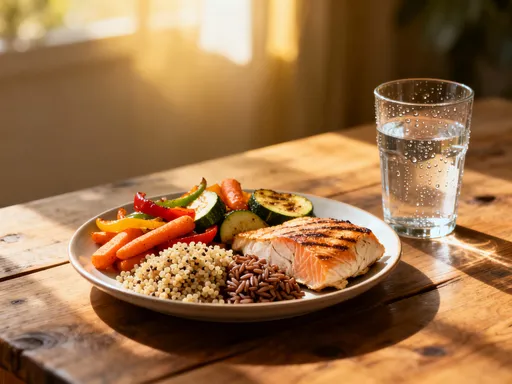
No hair care routine can fully compensate for poor nutrition. Hair is made of protein, so a diet lacking in high-quality protein sources—like eggs, fish, legumes, or lean meats—can lead to weak, slow-growing strands. Keratin production depends on a steady supply of amino acids, the building blocks of protein. Without them, hair becomes thin and fragile.
Iron deficiency is another major contributor to hair loss, especially among women. Iron helps red blood cells carry oxygen to the scalp and follicles. When levels are low, hair may enter the resting phase prematurely, leading to increased shedding. Foods rich in iron—such as spinach, lentils, red meat, and fortified cereals—support healthy circulation and follicle function. Pairing iron-rich plant foods with vitamin C sources, like citrus or bell peppers, enhances absorption.
Omega-3 fatty acids, found in fatty fish, flaxseeds, and walnuts, nourish the scalp and support natural oil production. These fats reduce inflammation, which can otherwise interfere with hair growth. Biotin, a B-vitamin often marketed for hair health, does play a role in keratin production, but most people get enough through a balanced diet. Eggs, almonds, and sweet potatoes are natural sources. Unless a deficiency is confirmed, high-dose biotin supplements are not proven to accelerate growth and may interfere with lab tests.
Vitamins D and E also support hair health. Vitamin D receptors are present in hair follicles, and low levels have been linked to alopecia. Sun exposure, fortified foods, and fatty fish are sources, though many women benefit from supplementation under medical guidance. Vitamin E is a powerful antioxidant that protects hair from oxidative stress. Sunflower seeds, almonds, and avocados are excellent dietary sources.
Hydration is equally important. Water makes up a significant portion of the hair shaft, and chronic dehydration can lead to dryness and brittleness. Drinking adequate water—about eight glasses a day for most women—supports overall cellular function, including hair growth. Digestive health also influences nutrient absorption. A balanced gut microbiome ensures that vitamins and minerals are properly utilized, making whole foods, fiber, and probiotics valuable allies in the quest for healthy hair.
When to Seek Help: Knowing the Red Flags
Self-care is powerful, but it has limits. There comes a point when professional guidance is not just helpful—it’s necessary. Sudden, noticeable hair shedding—clumps coming out in the shower or on the brush—can signal an underlying condition like thyroid imbalance, autoimmune disease, or severe nutrient deficiency. Patchy hair loss, especially in round or irregular shapes, may indicate alopecia areata, an immune-related disorder that requires medical evaluation.
Scalp issues should also be taken seriously. Persistent itching, redness, flaking, or sores are not just dandruff. They could point to psoriasis, seborrheic dermatitis, or fungal infections, all of which affect follicle health and require targeted treatment. Over-the-counter dandruff shampoos may help mild cases, but chronic or worsening symptoms need a dermatologist’s assessment.
Changes in hair texture—such as hair becoming finer, wiry, or slower to grow—can also reflect hormonal shifts, especially during perimenopause or after stopping hormonal birth control. A healthcare provider can run blood tests to check hormone levels, iron, vitamin D, and thyroid function. These insights help determine whether the issue is internal or external, guiding appropriate next steps.
Seeking help is not a failure—it’s an act of responsibility. It shows a commitment to long-term health, not just appearance. Dermatologists and trichologists specialize in hair and scalp conditions and can offer treatments like topical minoxidil, prescription shampoos, or lifestyle interventions tailored to individual needs. Normalizing professional care removes the stigma and empowers women to take informed action.
Final Thoughts: Making Hair Health a Lifestyle
Healthy hair doesn’t come from a single product or miracle treatment. It emerges from consistent, mindful habits that honor the body’s needs. The journey isn’t about perfection—it’s about awareness. It’s noticing how stress affects your hair, how food fuels growth, and how small daily choices add up over time. This shift—from chasing quick fixes to embracing sustainable care—transforms hair health into a form of self-respect.
Patience is essential. Hair grows slowly, and improvements take months to become visible. But with time, better nutrition, gentler styling, and scalp care, many women report renewed texture, strength, and shine. The process is not linear, and setbacks happen. Illness, stress, or life changes can temporarily disrupt progress. What matters is returning to the basics: hydration, balance, and kindness toward your body.
Hair is more than appearance. It’s a living part of who you are. When you care for it with knowledge and consistency, you’re not just improving its look—you’re listening to your body, honoring its signals, and nurturing your overall well-being. That’s the real secret. Healthy hair isn’t magic. It’s a promise you make to yourself, one day at a time.